On a cool November night in 1999, dozens of transgender people and their friends stood thousands of miles apart in Boston and San Francisco. They lit slender candles and spoke into the surrounding darkness the names of trans people whose lives had abruptly - and violently - ended.
EDITOR'S NOTE: This story involves discussion about violence and suicide that some readers may find upsetting. If you feel you are in crisis, call or text 988 to reach the 24-hour Suicide Crisis Lifeline.
That somber night, born out of trans activists' anger and frustration after two Black trans women were killed in Massachusetts, is now considered the first Transgender Day of Remembrance.
On November 20, communities across the globe will meet to read aloud the names of trans people who died by violence over the last year. For transgender Americans, this year's memorials will take on particular poignance, as the Trump administration and conservative lawmakers have taken great strides to restrict how they can live publicly and privately, while also eliminating federal data collection about anti-trans hate crimes and ending funding for an LGBTQ suicide hotline.
Since last November, at least 27 trans and nonbinary people have been killed, according to the nonprofit Advocates for Trans Equality. The number is likely an undercount as precise data is difficult to collect, the organization notes. Some research has shown trans people are more than four times more likely than cisgender people to be victims of violent crime.
"In many ways, in our society, trans people are made to feel invisible," said Bahari Thomas, the advocacy group's director of public education.
Trans people, particularly trans youth, are also at heightened risk of suicidal thoughts and attempts, according to the Trevor Project. The organization notes this may be the result of a lack of social support and exposure to stigma and discrimination.
Gwendolyn Smith - one of the activists who founded Transgender Day of Remembrance - said it's both heartening to see her community uphold what she started decades later and sobering to see them continue to experience high rates of violence.
It's crucial, she said, to remember the "very vibrant lives" trans victims led. "That's our humanity."
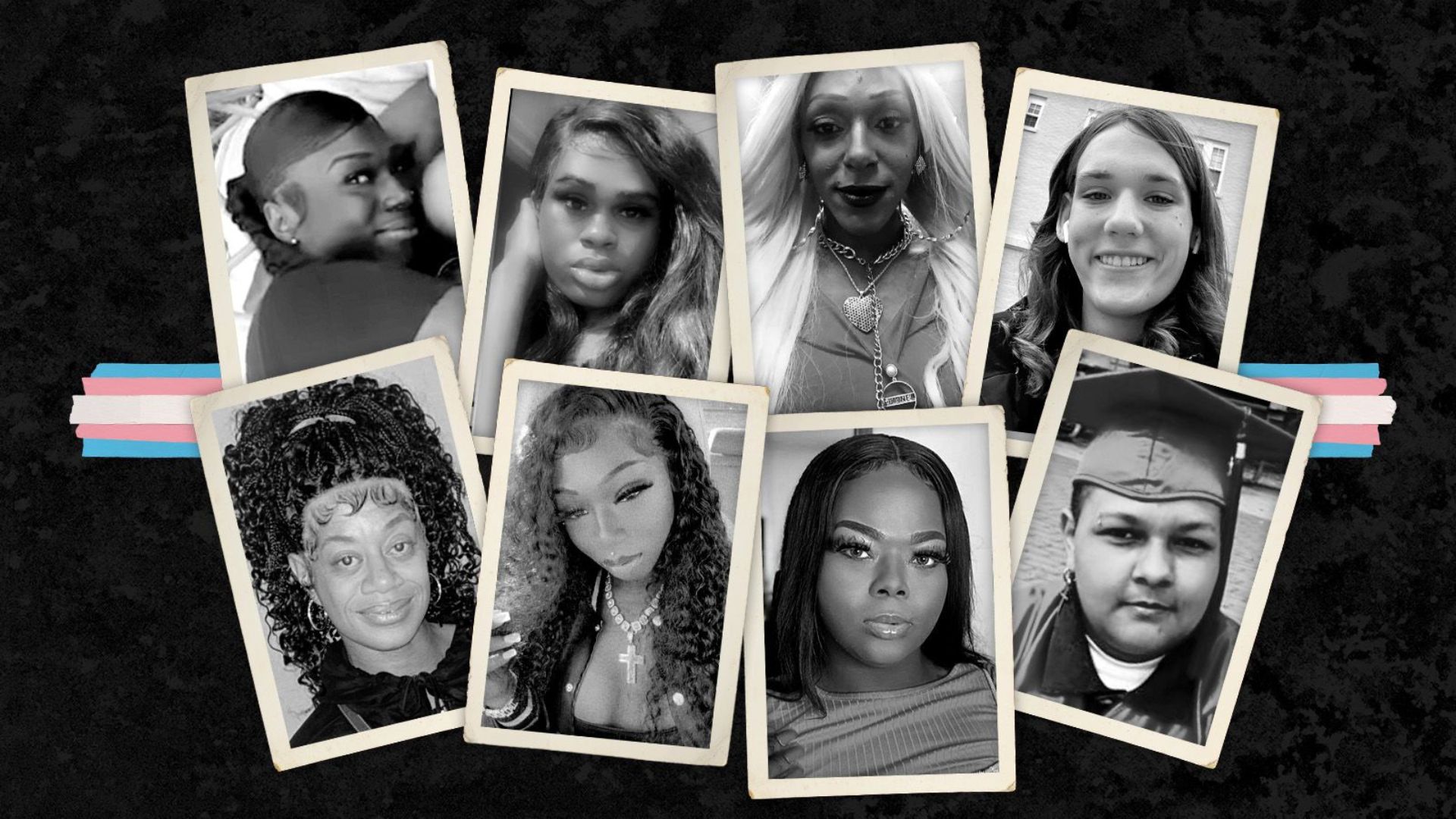
CNN has profiled eight trans people who died this year, focusing on the fullness of their lives rather than the tragic circumstances of their deaths. These are their stories.