They survived some of the Afghanistan War's most grueling and treacherous missions, regularly battling the Taliban in nighttime raids and urban gun battles. But once evacuated to the U.S., many Afghan fighters who served in "Zero Units" led by the CIA found themselves spiraling into despair because of what they saw as bureaucratic neglect and abandonment by the U.S. government, a former CIA operative and a former Afghan fighter involved in the units told NPR.
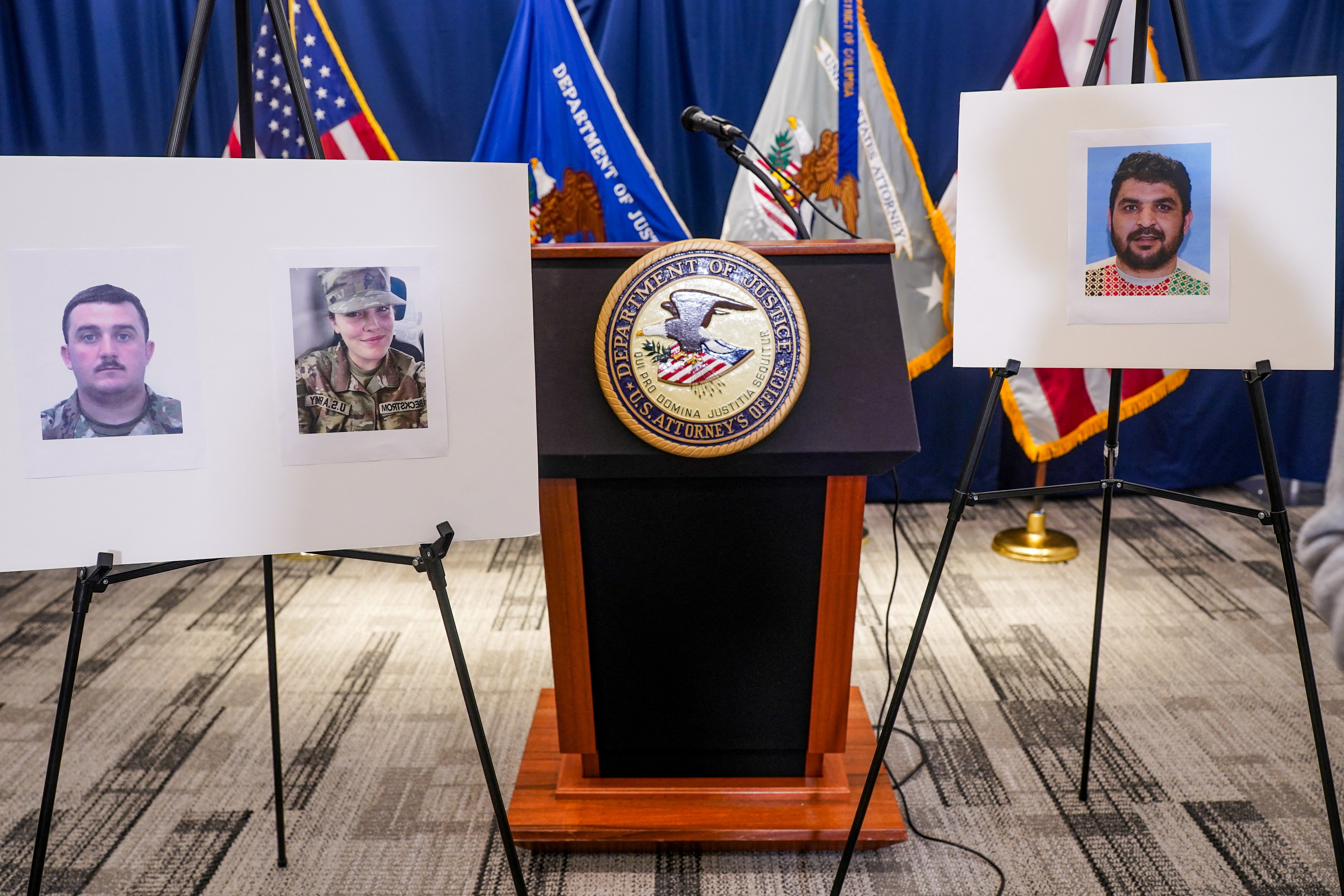
Among their ranks was Rahmanullah Lakanwal, the man charged with killing one National Guard soldier and seriously injuring a second after opening fire on them in Washington, DC on Thanksgiving Eve.
The sense of betrayal and frustration cut so deep, some Afghan soldiers living in the U.S. began threatening self-harm.
"Unfortunately, four people took their lives," said Davud, who served as a combat translator in a Zero Unit for more than a decade.
Davud, who lives now on the West Coast, agreed to be interviewed about the struggles of his fellow soldiers only if NPR identified him by his first name and concealed his identity. He said he fears for the safety of his family still living under Taliban rule in Afghanistan.
Despite their service to the U.S., many Zero Unit fighters have struggled to gain asylum or permanent residency in the U.S., according to Davud. He condemned Lakanwal's alleged actions, but spoke of the overwhelming mental health and emotional challenges fighters face living in exile.
While fighting under CIA leadership, thousands of soldiers like Davud and Lakanwal faced some of the most harrowing battles of the 20-year Afghanistan war, often carrying out two or even three combat missions a night. Their tactics were often brutal, and groups like Human Rights Watch accused them of engaging in torture and illegal killings.
"I almost got killed by a grenade," Davud told NPR, describing one firefight when an American CIA agent saved his life. "He grabbed me from my body armor and pulled me back."
After being evacuated to the U.S. in 2021, when the Taliban swept into Kabul, many Zero Unit soldiers came to feel they had been abandoned by CIA officials. Despite years of service — which Davud described as "a brotherhood" — he now believes the agency failed to help his comrades navigate America's complex immigration system.
"It's that feeling of like you did something that nobody is appreciating," he said. "That promise that was given to you by your employer was a fake promise."