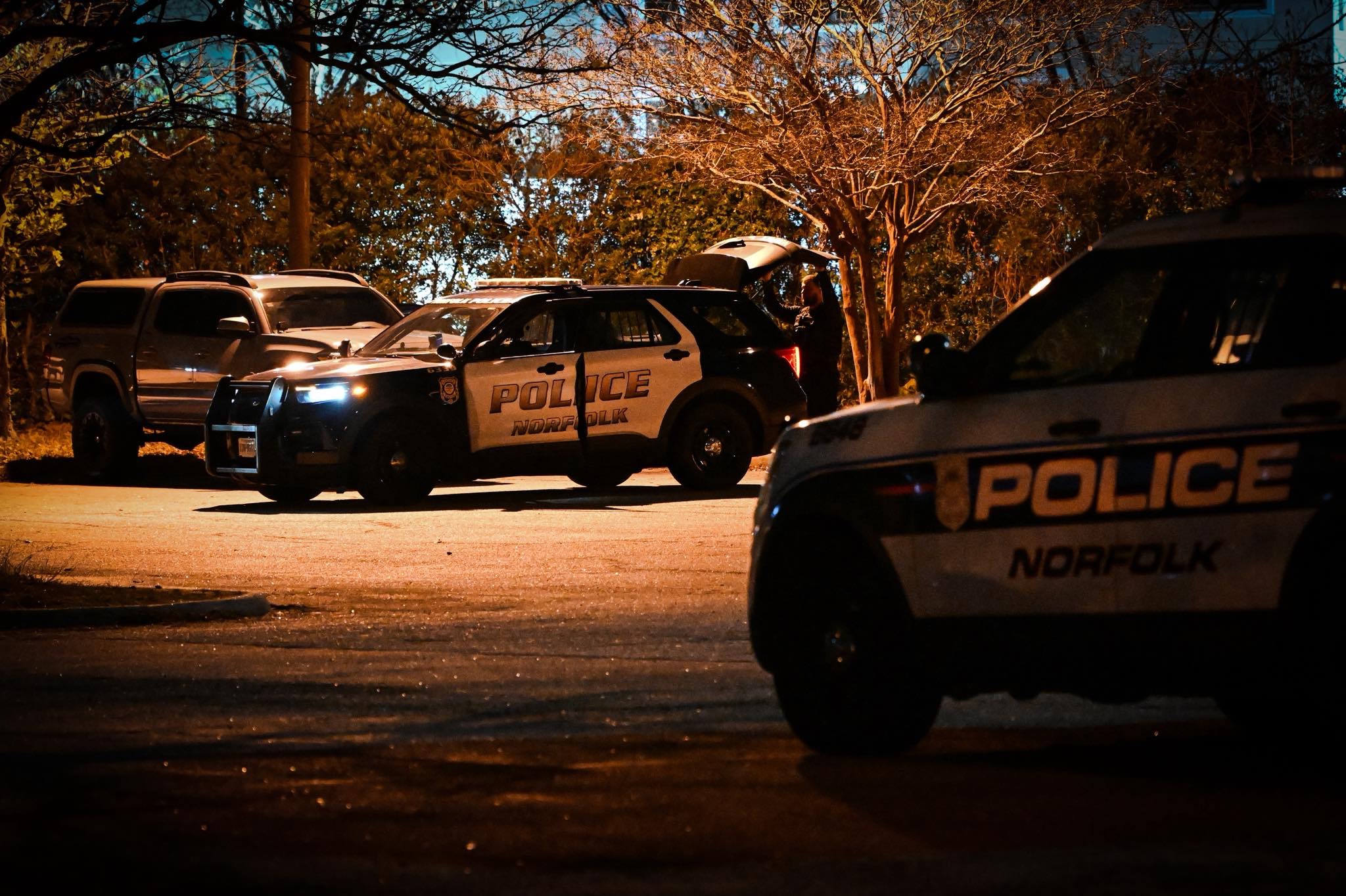
Virginia law enforcement officers conducted more than 1.24 million stops last year, a 7% increase from 2024, according to new data from the Virginia State Police.
The records also show a familiar pattern: the likelihood of being stopped or searched still varies by race, despite reforms meant to curb those disparities.
The police stops are documented under Virginia’s Community Policing Act, a cornerstone of policing reforms enacted in 2021. The sweeping package of law enforcement reforms came in the wake of George Floyd’s murder by Minneapolis police officers. Virginia law now requires police and sheriff departments statewide to report every traffic and investigatory stop to the state police.
The reforms were designed to reduce bias-based profiling and strengthen public accountability. Law enforcement agencies are required to collect and report details such as the race and ethnicity of the person stopped, as well as their age and gender.
The resulting records offer the public a rare and comprehensive window into how local police departments across the Commonwealth use their stop authority. The data also captures a wide range of reasons for a stop, including traffic and equipment violations, calls for service, traffic accidents, warrant service, and criminal investigations.
The report also includes Terry stops, also known as stop-and-frisk encounters.
Last year, Black drivers and residents faced higher stops per capita compared to their white counterparts across the Commonwealth, according to an analysis by the Virginia Center for Investigative Journalism at WHRO.
Some of the disparity may be fueled by implicit bias, said Jack Preis, a professor of Law at the University of Richmond. But, he said, it is difficult to conclude the extent to which bias plays a role without examining specific cases.
“Police officers have an enormous amount of discretion in whether or not to enforce the law against anyone,” Preis said. “When an officer sees 20 different people committing the same crime, they are free to arrest one of the 20, and that's potentially where bias can creep in.”
Ideally, officers would be given a variety of assignments, exposing them to different types of people and crime, he said. New experiences can give officers a fresh perspective and prevent some bias.