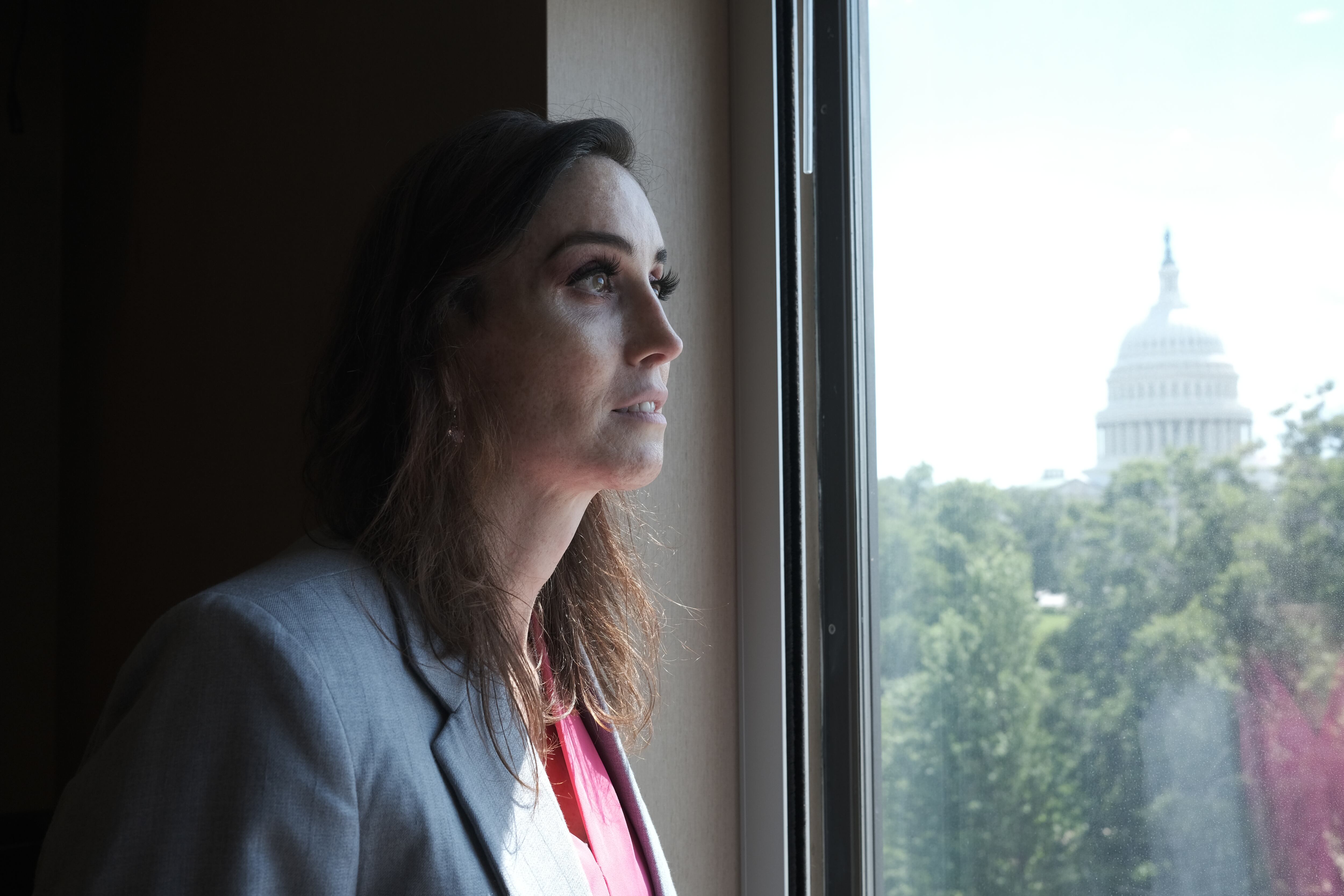
Transgender service members are on the precipice of being allowed back into the military after a federal court ruled that the Trump administration’s ban against them was unlawful.
As troops look toward a future when their service might be welcome once again, individuals affected by the policy told Military Times that the year and a half time period upended their lives.
The U.S. Court of Appeals for the D.C. Circuit said in a June 1 ruling regarding Talbott v. USA that the Pentagon’s transgender military ban was unconstitutional and that the 30 enlisted plaintiffs involved in the case could continue to serve.
That ruling, which upheld an earlier preliminary injunction and is set to go into effect July 16, applied only to those plaintiffs.
Shortly after, on July 1, the U.S. District Court for the District of Columbia granted a motion to certify Talbott v. USA as a class action lawsuit, meaning the protections would extend to all transgender service members enlisted in the military.
Before more than the 30 can rejoin, the certification must be complete and the district court must extend the preliminary injunction to the class. The timing of those actions remained uncertain Wednesday.
The U.S. government can fight the ruling and attempt to stall it by petitioning for a rehearing or asking the Supreme Court to intervene, but as of Wednesday, neither have happened.
Transgender civilians looking to enlist are still barred from joining the military.
Though transgender troops were optimistic after the June 1 ruling about the future of their service, their path to get right back where they started — being allowed to do their jobs — was grueling.
Military Times spoke with 10 transgender service members who described how the forced separation process and the ensuing administrative leave pipeline pushed them into a perilous mental space.