A few high clouds in the afternoon with cool temperatures..
A freeze warning is in effect for tonight. Please make preparations to protect anything susceptible to the freeze.
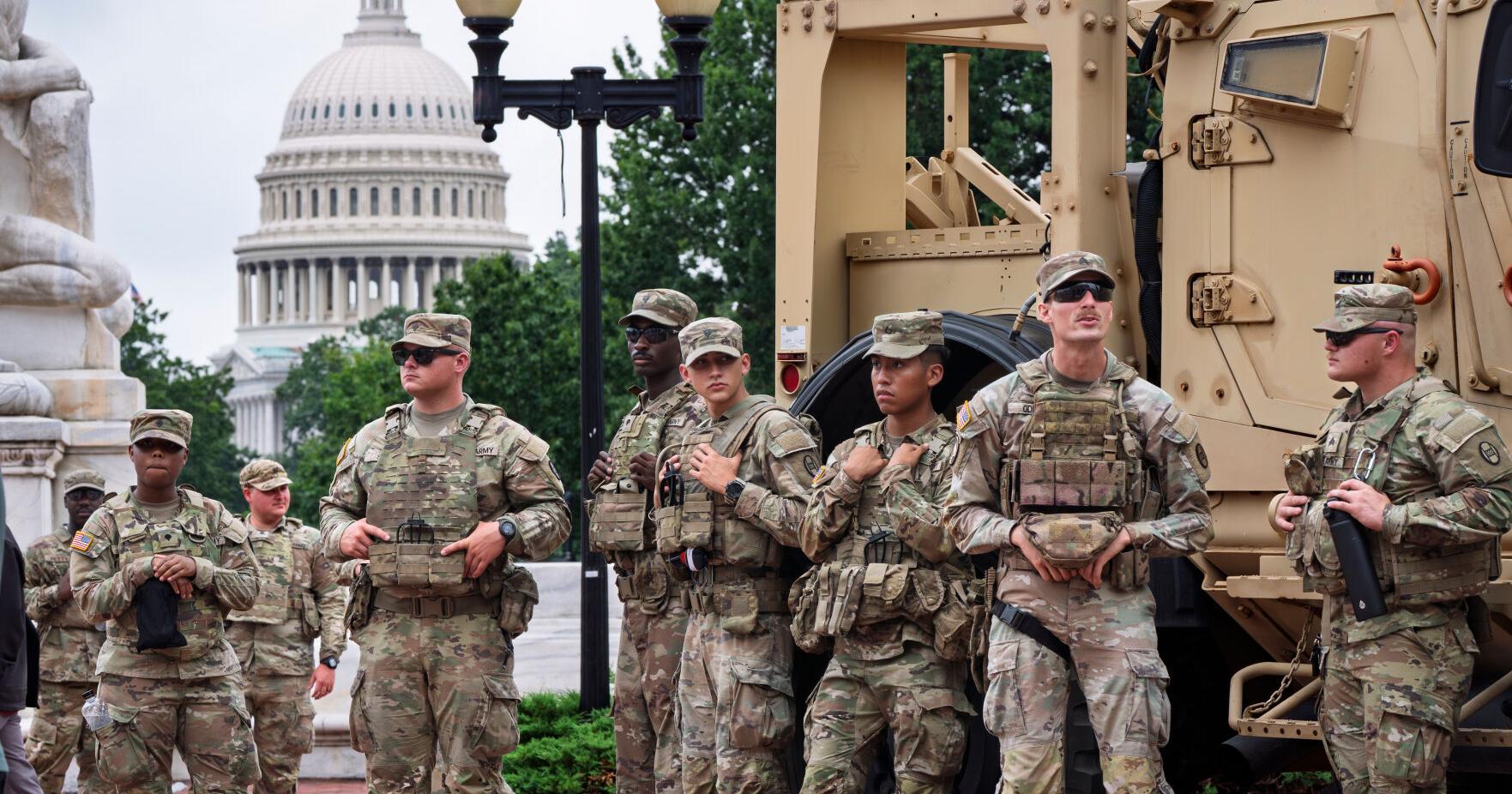
FILE - National Guard troops congregate at the entrance to Union Station in Washington, Aug. 20, 2025. (AP Photo/J. Scott Applewhite, FIle)
WASHINGTON (AP) — A man who says he was detained by police for following an Ohio National Guard patrol while playing Darth Vader's theme song from “Star Wars” on his phone sued the District of Columbia on Thursday, claiming the officers violated his constitutional rights.
Sam O'Hara's federal lawsuit says the ominous orchestral music of “The Imperial March” is the soundtrack for his peaceful protests against President Donald Trump's deployment of Guard members in Washington, D.C. Millions of TikTok users have viewed O'Hara's videos of his interactions with troops, according to the suit, filed by American Civil Liberties Union attorneys.
O’Hara, a 35-year-old Washington resident, says he didn’t interfere with the Ohio National Guard troops during their Sept. 11 encounter on a public street. One of the troops summoned Metropolitan Police Department officers, who stopped O'Hara and kept him handcuffed for 15 to 20 minutes before releasing him without charges, according to the lawsuit.
“The law might have tolerated government conduct of this sort a long time ago in a galaxy far, far away. But in the here and now, the First Amendment bars government officials from shutting down peaceful protests,” his lawsuit says.
O'Hara also sued four MPD officers and the Guard member who called them to the scene. The suit accuses them of violating his First Amendment rights to free speech and his Fourth Amendment rights against unreasonable seizures and excessive force. O'Hara is seeking unspecified compensatory and punitive damages.
O'Hara, an artist who works in the hospitality industry, said he was looking for a humorous and creative way to protest what he views as a military “occupation.”
“It feels surreal and dystopian,” he told The Associated Press. “When I see armed troops at our farmers markets and outside of my favorite restaurants and my dog park, I don’t think, ‘Oh, wow, I feel safe.’ I think: 'These feel like Stormtroopers. I feel like I’m living in a Star Wars episode or movie, and this is like an invading, dark force.'"