Let Utility Dive's free newsletter keep you informed, straight from your inbox.
The financial services company says costlier builds and power constraints could stretch out completion timelines, but demand remains strong.
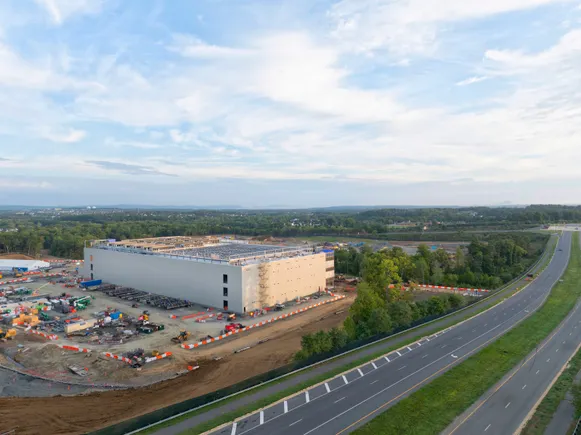
The report highlights why data centers rank among the strongest drivers of U.S. nonresidential construction activity.
In fact, Moody’s said the data center construction boom is still “in its early stages.” Larger hyperscale data centers with capacity levels of more than 300 megawatts will begin coming online this year, exponentially increasing capacity, according to the report.
But while projects are increasing in size, developers are accelerating construction schedules to meet hyperscalers’ push to shorten speed to market.
That’s because more tenants are willing to exempt power and essential utility availability from completion requirements and increase their share of risk in case of unexpected events. These changes to risk-allocation help accelerate construction as many of these new builds may be delivered late, according to Moody’s.
High global demand for skilled labor and essential materials doesn’t help.
Miners of copper and rare earth metals and manufacturers of essential cooling and power related equipment are cautiously ramping up production to meet demand from data centers. But the additional product will likely still be insufficient to moderate price increases in 2026, according to the report.
That means new data centers will cost more than older facilities located in similar markets, Moody’s said. Nonetheless, the report does not forecast lower demand because of those higher price tags.
In northern Virginia, the largest data center market in the world, leases for hyperscale data centers with more than 4 megawatts of capacity increased to a range of $130 to $190 per kilowatt per month in 2025, up from a range of $110 to $150 in 2024. The same increases were absorbed in other data centers markets such as Atlanta, according to the report, which attributed the difference to financing structures.