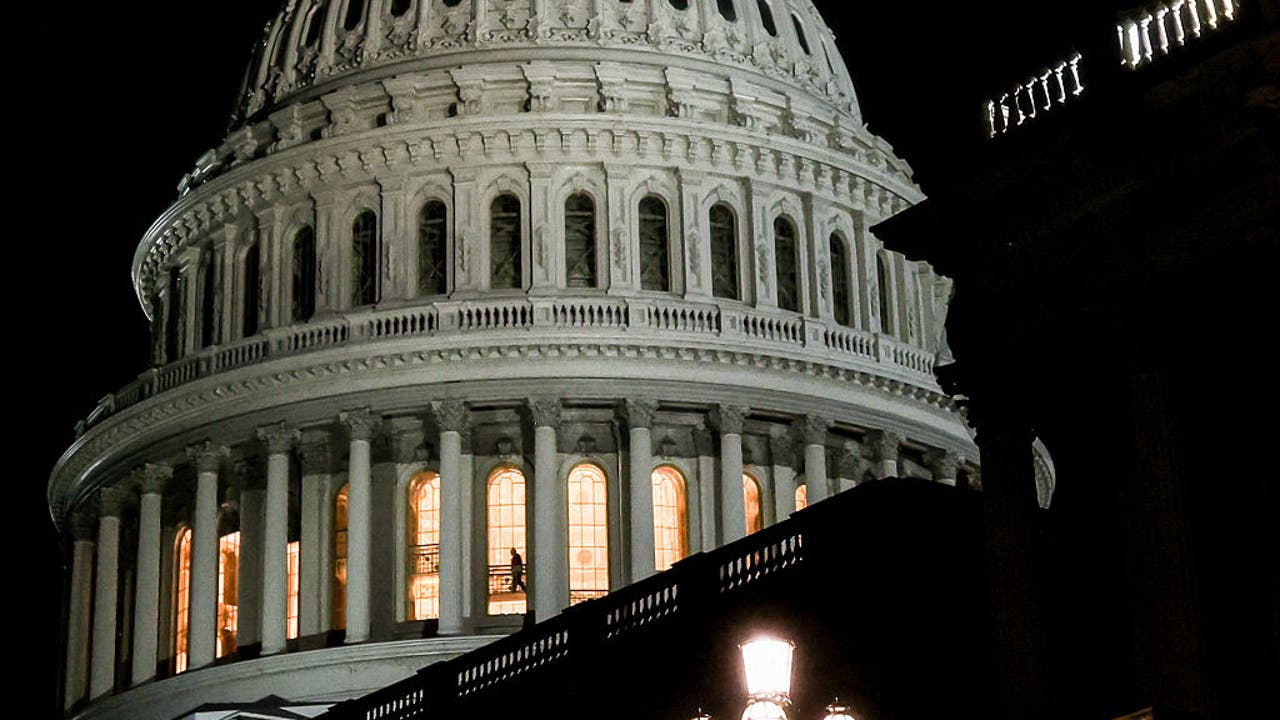
Photographer: Valerie Plesch/Bloomberg via Getty Images
WASHINGTON - On Sunday, the Senate moved to end the government shutdown after a group of moderate Democrats agreed to move forward without a guaranteed extension of health care subsidies, sparking anger among colleagues who insist Americans want them to keep fighting.
In a test vote that is the first in a series of required procedural maneuvers, the Senate voted 60-40 to move toward passing compromise legislation to fund the government and hold a later vote on extending Affordable Care Act tax credits that expire Jan. 1. Final passage could be several days away if Democrats object and delay the process.
Senate Majority Leader John Thune endorsed the deal Sunday night and called an immediate vote to begin the process of approving it.
Ahead of voting on a measure that would extend government funding and carve a path towards ending the shutdown, key Senators spoke on the floor. Sen. Jerry Moran (R-KS), Sen. Susan Collins (R-ME), Sen. Bernie Sanders (I-VT), Senate Minority Leader Chuck Schumer (D-NY) and Senate Majority Leader John Thune (R-SD) weighed in ahead of the measure being called to a vote.
"We must not delay any longer," Senate Appropriations Committee Chairwoman Susan Collins said in a Senate floor speech, adding that she is "relieved" that the shutdown appeared headed toward an end.
Returning to the White House on Sunday evening after attending a football game, Trump did not say whether he endorsed the deal. But he said, "It looks like we’re getting close to the shutdown ending."
The agreement does not guarantee the Affordable Care Act subsidies will be extended, as Democrats have demanded for almost six weeks. Senate Democratic leader Chuck Schumer of New York voted against moving ahead with the package, along with all but eight of his Democratic colleagues.
Republicans needed five Democratic votes to reopen the government. In addition to Shaheen, King and Hassan, Democratic Sen. Tim Kaine of Virginia, home to millions of federal workers, also said he would support the agreement.
After Democrats met for over two hours to discuss the proposal, Senate Democratic leader Chuck Schumer said he could not "in good faith" support it.