This copy is for your personal, non-commercial use only. Distribution and use of this material are governed by our Subscriber Agreement and by copyright law. For non-personal use or to order multiple copies, please contact The Epoch Times Reprints.
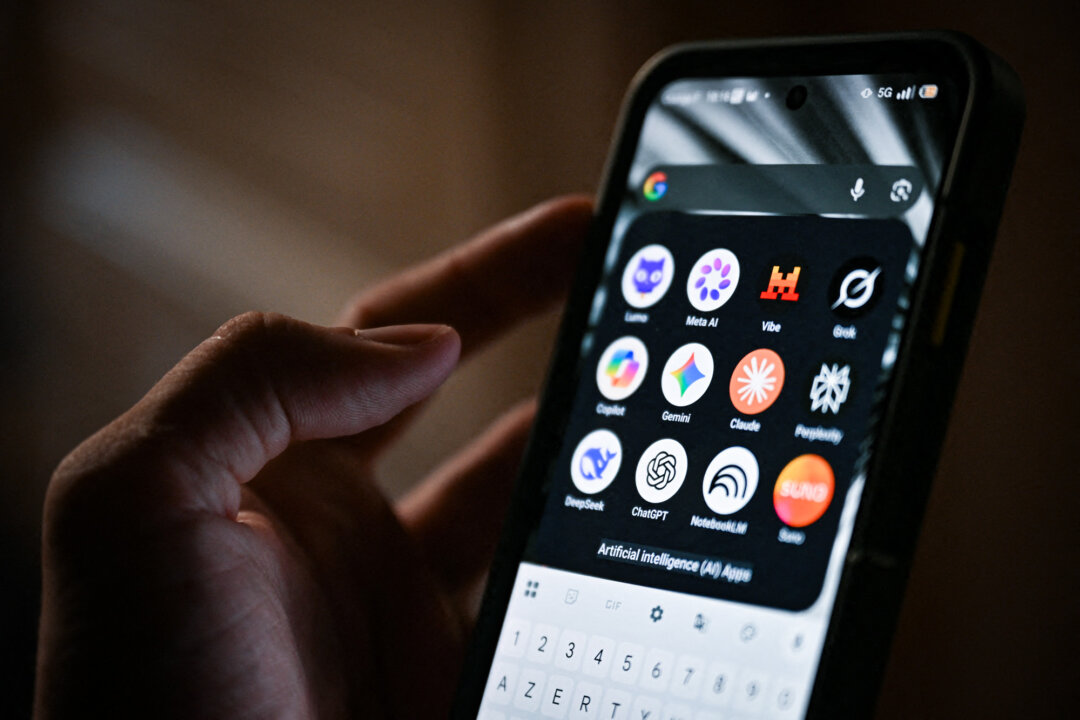
When Americans are feeling down, instead of calling a mental health professional, a growing number are reaching for their keyboards. Artificial intelligence chatbots have become confidantes, sounding boards, and even substitutes for therapists. Some say this could have a significant impact on the U.S. mental health crisis.
This shift is unfolding against the backdrop of a substantial mental health burden in the United States. An American Psychiatric Association poll revealed 62 percent of respondents reported high levels of anxiety. Meanwhile, the online mental health care provider Innerwell revealed that more than 61 million U.S. adults reported a mental health condition in 2024.
So what happens when the 24-hour availability of AI chatbots steps into the treatment void? Well, some care providers say that the outcome will be a mixed bag on its best day.
Others think the habit of turning to AI for mental health support will eventually change the nature of human relationships.
“People are increasingly outsourcing emotional labor—flirting, apologizing, repairing, expressing vulnerability—to AI,” Luis Maimoni, a licensed marriage and family therapist, told The Epoch Times.
Maimoni said AI chatbots can feel supportive, but also take the “human out of human relationships.”
“Some people do form attachments to chatbots, but that’s not the part that worries me most. The bigger issue is population-wide: when enough people stop practicing relationship skills, those skills naturally fade,” he said.
In his experience, Maimoni said turning to AI chatbots for comfort affects couples, families, and kids. He also believes this will eventually take a toll on the next generation.
“If we lose our ability to connect with each other and the world around us, we lose one of the things that makes us most human,” he cautioned.