Dhaka, Bangladesh – Bangladesh’s parliament has cancelled or rolled back several reforms introduced after the 2024 student-led uprising and aimed at increasing accountability of the government and security forces, prompting concerns that the nation might be backtracking on democratic gains made since former Prime Minister Sheikh Hasina’s ouster.
Dominated by the ruling Bangladesh Nationalist Party that swept to power in February elections, parliament has in recent days reviewed a package of 133 ordinances – several of which were related to reform initiatives issued by the interim government of Nobel Laureate Muhammad Yunus that was in charge after Hasina fled for India.
Of those, at least 23 – including key measures on human rights, judicial oversight, anticorruption and policing – have either been repealed or allowed to lapse after failing to secure parliamentary approval within the constitutional timeframe.
While the majority of ordinances have been approved, the ones that have fallen away are widely seen as central to efforts to restructure institutions long criticised for political interference, lack of transparency and weak accountability.
Opposition parties, civil society groups and several analysts describe the move as a rollback of core safeguards agreed after the uprising, warning it could weaken oversight and re-centralise power.
The government, however, insists it is undertaking a necessary legislative review to correct flaws and reintroduce more robust laws after consultation.
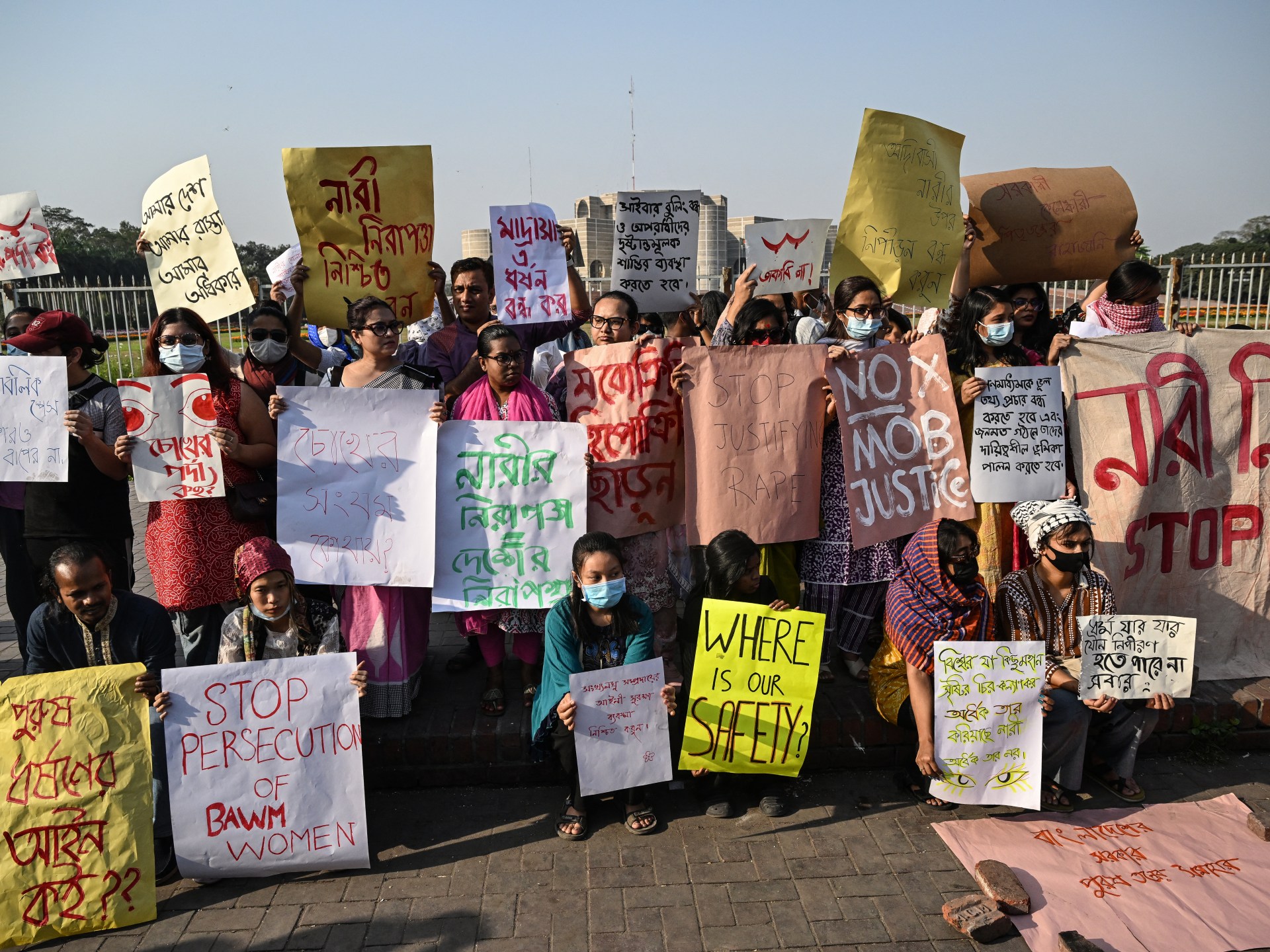
The dispute has quickly spilled over beyond parliament. Opposition alliances have staged protests and warned of a nationwide movement, while analysts say the debate reflects a deeper struggle over the direction of Bangladesh’s political transition – one unfolding both inside parliament and on the streets.
The current dispute is rooted in the July 2024 uprising – a student-led movement that brought down Hasina’s government after years of criticism over high-handed governance, suppression of dissent, systemic enforced disappearances and human rights abuses.
The fall of the government created an unusual moment of political convergence. For the first time in years, major political actors – including rival parties – agreed on the need for structural reform.
An interim administration led by Yunus took charge. The July National Charter – a political framework for reforms on judicial independence, human rights, elections and decentralisation, among other issues – was signed by more than two dozen parties and was later endorsed in a nationwide referendum alongside the February 2026 election, with about 70 percent support.