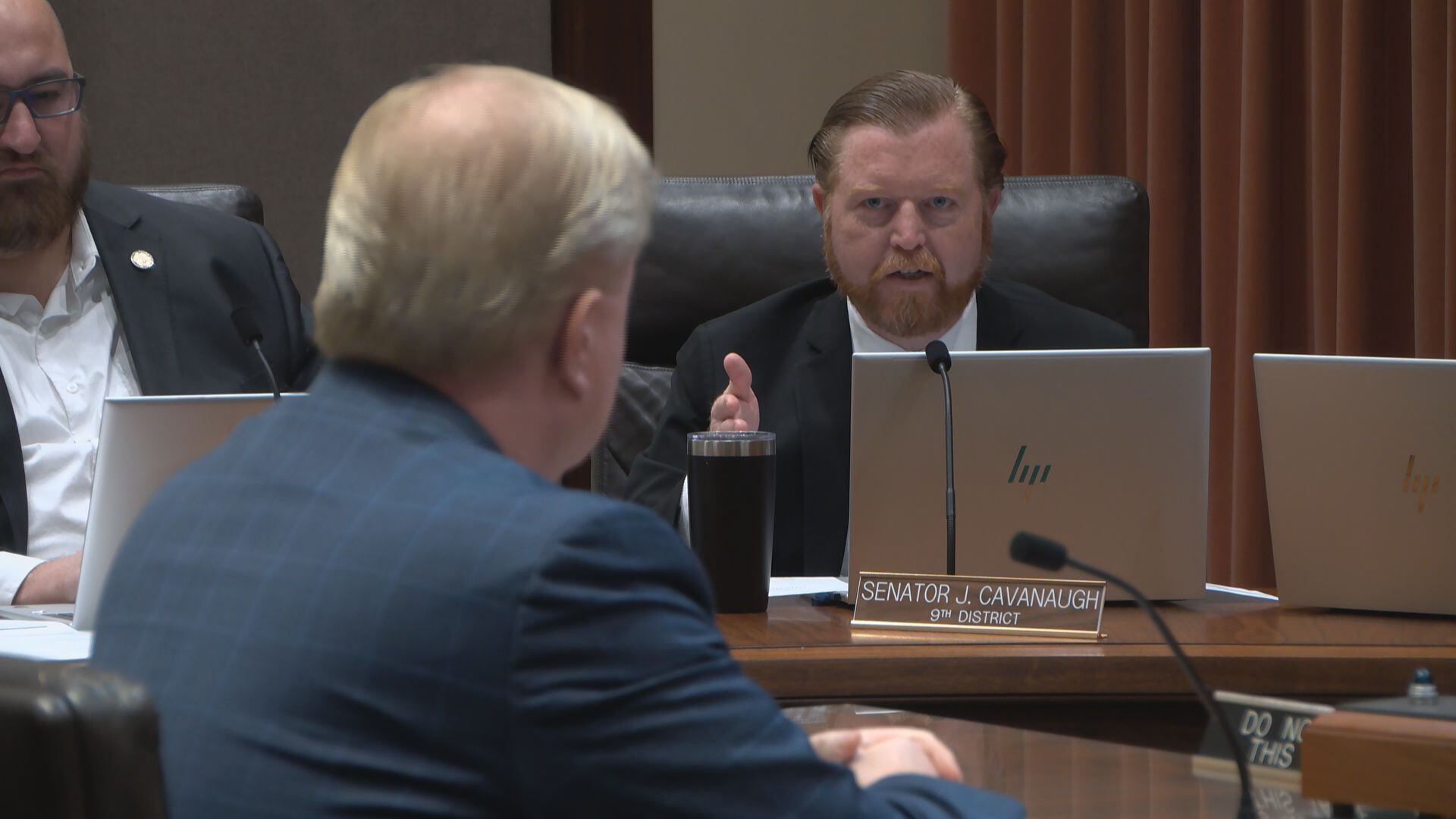
LINCOLN, Neb. (KOLN) - State senators with the Government, Military and Veterans Affairs Committee gathered at the Capitol Friday morning, for a hearing on the ballot initiative and referendum process in Nebraska, something 26 states and Washington D.C. take part in.
Nebraska has seen an increase in ballot initiatives in recent years, including six that were certified in the 2024 general election. Friday’s hearing was an interim study, meaning senators invited specific testifiers to speak more about the topic in a neutral capacity, ahead of the upcoming session in January.
The study was prompted by State Sens. Brian Hardin and Paul Strommen, both of whom were not in attendance and sent legislative aides to represent them. Hardin also introduced a bill last session that would’ve allowed the initiative and referendum process to be done at the county level.
The two senators shared their concerns over ballot initiatives in Nebraska, saying they’d like more representation at the county level, while limiting the potential for out-of-state “dark money” to influence petitioners.
“In Nebraska, the people are the second House,” said Alycia Tiemannbrady, an aide for Sen. Strommen. “It is the role of the Legislature to balance the will of the second house, just like the House and Senate balance each other. It is our job, after ballot initiatives prevail, to do our best to minimize the truly unintended but harmful impacts.”
Strommen and Hardin’s invited testifiers included Arkansas State Senator Kim Hammer and Representative Carlton Wing, who both worked to overhaul their state’s ballot initiative process. While neither were able to appear in person, Hammer testified over the phone.
Hammer said ballot initiatives in Arkansas are similar to Nebraska, with petitioners gathering signatures from across the state to get an issue put on the ballot. However, after numerous laws were changed over the past decade, the process in Arkansas is more restrictive of how signatures are gathered and what can be submitted.
For instance, Hammer said ballot initiatives must be written at an 8th grade reading level or below, and be read aloud to whoever signs them, so as not to confuse the signer. Petitions must also be circulated by personnel who have lived in the state for a certain amount of time, to prevent out-of-state influence. The attorney general of Arkansas is also allowed to outright reject initiatives over certain criteria, including if there are multiple initiatives covering the same subject.
“We gave the attorney general a lot of discretion, and we gave the attorney general a lot of power to be able to make the decision,” Hammer said.
Sens. John Cavanaugh, Megan Hunt and Dunixi Guereca, all from Omaha, pressed Hammer over those laws, alleging they could make it more difficult for the people to pass legislation through ballot initiative.