New York Attorney General Letitia James is set to go to trial in late January on felony charges of bank fraud and making false statements to a financial institution – if she doesn’t succeed at getting the case dismissed outright.
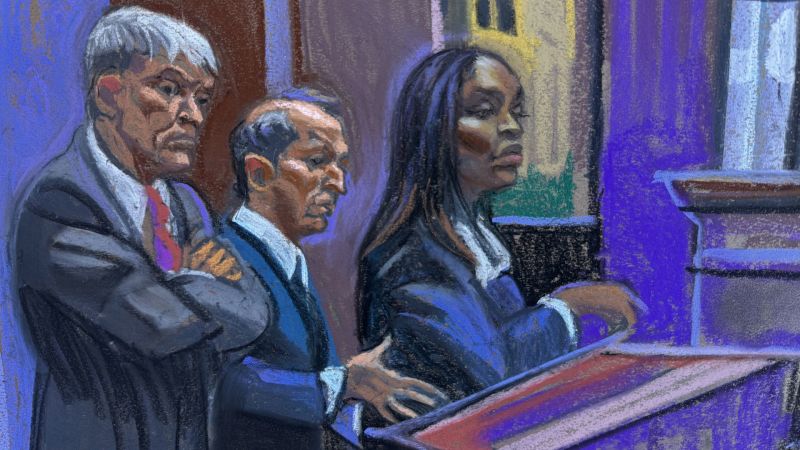
James was arraigned Friday morning at a federal courthouse in Norfolk, Virginia, where she pleaded not guilty to the pair of charges brought against her by a prosecutor who President Donald Trump put in the job after he complained that investigations into his political foes weren’t moving fast enough.
“There’s no fear today, no fear,” James said outside the courthouse as protesters chanted alongside her. “Because I believe that justice will rain down like water, and righteousness like a mighty stream.”
But it’s possible James doesn’t go to trial on January 26 at all: her attorneys previewed on Thursday and Friday their intent to try to get her case dropped in the coming months on several different grounds.
James’ lawyers told US District Judge Jamar Walker that they intend to challenge whether the interim US Attorney for Northern Virginia who brought James’ case, Lindsey Halligan, is lawfully serving in the position.
That would mirror a similar effort underway in former FBI Director James Comey’s criminal case. Comey, who has pleaded not guilty to allegedly lying in congressional testimony, is another of Trump’s political enemies who Halligan indicted.
Halligan was tapped for the post after Trump pushed out the former interim US attorney, Erik Seibert. Comey’s team is arguing that Seibert had already served the legally allotted maximum of 120 days that someone can serve on a temporary basis before needing to be confirmed by the Senate.
In court papers submitted earlier this week, Comey’s lawyers claimed that Halligan’s appointment after those 120 days had passed means that Trump was not legally able to appoint a new interim attorney and avoid the Senate confirmation process altogether. They called the move a scheme to “circumvent” Congress’ role in the confirmation process.
A judge from South Carolina has been brought in to handle the Halligan issue and the motion in the James case will be added to that docket given the fact that they raise the same legal questions.
It would then be up to the South Carolina judge, Cameron McGowan Currie, to decide whether she should consider them on the same track. Comey’s request is set to be heard by Currie on November 13.