This is AI-generated. Read the article for full context. Report any errors.
After three days of meetings with Malaysian think tanks, academics, and a few from the private sector in Kuala Lumpur, it dawned on me that I knew little about our neighbor. It turns out that my knowledge of this co-founder of ASEAN, an important member, is superficial.
Here are four takeaways that give me a nuanced understanding of Malaysia, a more complex country than what some of us perceive it to be — as simply pro-China.
A Philippine think tank, FACTS Asia, organized a visit to Kuala Lumpur to engage in Track Two diplomacy, an avenue where retired government officials, academics and analysts discuss issues—from the contentious to the benign—in an informal manner. The talks, governed by the Chatham House rule, were spiced up by provocative questions, straightforward and honest answers, and a sprinkling of humor.
It was my first time to participate in such a mission. It gave me a glimpse of how two sides try to understand each other’s position and suggest paths forward, a way of bridging gaps and planting seeds of ideas that may eventually reach policymakers.
Julio Amador III , FACTS Asia founder, led the delegation composed of retired Supreme Court senior associate justice Antonio Carpio, former ambassador Laura del Rosario , analyst Jesse Pascasio , Deryk Baladjay, lecturer at the De La Salle University international studies department, and myself.
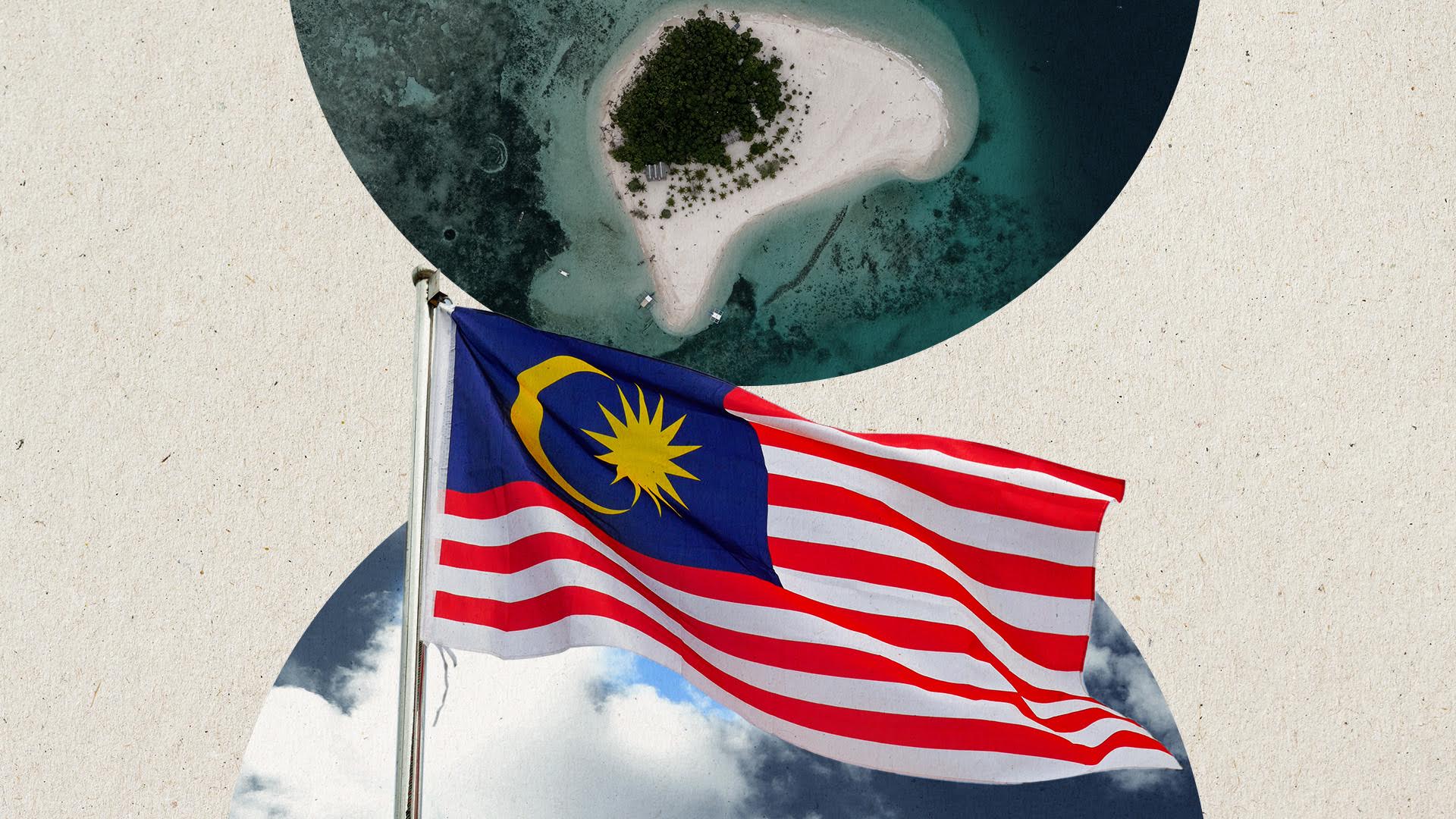
A few days before we left for Kuala Lumpur, a story broke on Malaysian Prime Minister Anwar Ibrahim raising concern over Balabac, an island in Southern Palawan, where the US military has a rotational presence. It is close to Malaysia’s Banggi island, about 20 minutes by speedboat.
Balabac is one of the sites under EDCA, the PH-US Enhanced Defense Cooperation Agreement. A three-kilometer military airstrip has been reportedly constructed there, and Balikatan exercises with US and Australian forces have taken place there as well.
“As a neighboring country closely affected by claims over Sabah [Banggi Island is in Sabah], we are somewhat concerned with the tension, even though our bilateral relations with the Philippines remain very good,” Anwar was quoted as saying in a budget event in the capital Putrajaya. He said that their “basic defense capabilities must be strengthened.”
The Philippines is beefing up its defense capabilities in Balabac as part of its deterrence against China. As we know, the province of Palawan is a witness to the tension between the Philippines and China in the West Philippine Sea.