According to Robert Tulloch’s friend, the teens were bored with their lives when they concocted a plan to kill strangers, steal their money and move to Australia.
CONCORD, N.H. (AP) — A Vermont man who was 17 when he and a friend killed a pair of married Dartmouth College professors 25 years ago will have a chance at parole in about 20 years, when he reaches the age of one of his victims, a judge ruled Monday.
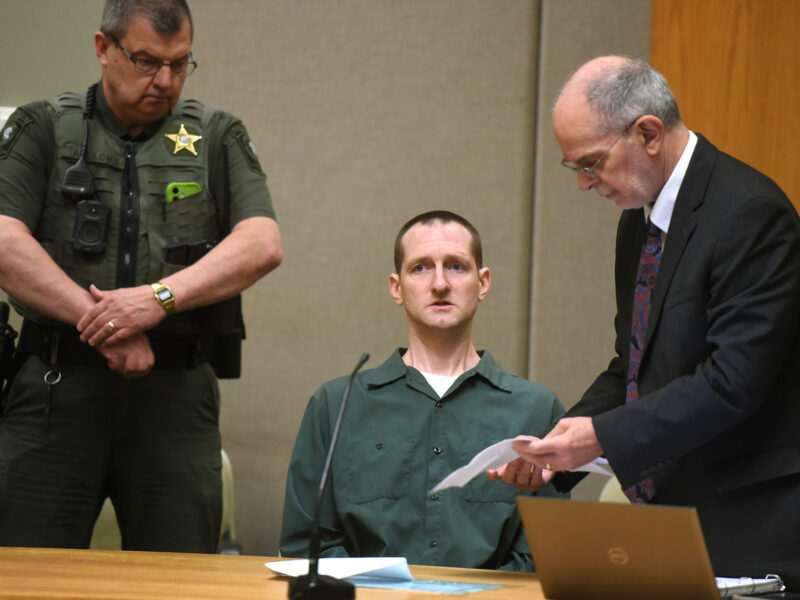
Lawyers for Robert Tulloch, now 43, and prosecutors reached an agreement, avoiding a three-day planned resentencing hearing. In court Monday, a shackled Tulloch held his head down and appeared to breathe heavily as the horrific details of the stabbings were recounted.
Tulloch was automatically sentenced to life without parole after pleading guilty to first-degree murder in the 2001 stabbing deaths of Half and Susanne Zantop. But the U.S. Supreme Court ruled in 2012 that mandatory sentences of life without parole are unconstitutional for juveniles, and later applied that decision retroactively.
The rulings gave hundreds of juvenile lifers a shot at freedom, including five men serving life sentences in New Hampshire for murders they committed as teenagers. Tulloch’s resentencing hearing, the last of the five, would have begun Monday in Grafton County Superior Court in North Haverhill, New Hampshire.
Tulloch apologized to one of the professors’ two daughters, Veronika Zantop, who joined the hearing remotely, and talked about how she and her family were affected by the death of her parents.
A psychiatrist with two sons, one of them the same age Tulloch was when he committed his crimes, she said she can appreciate that brain functioning can change over time. But she does not believe it’s true for Tulloch, saying he meticulously planned the killings and followed through in a cold, predatory manner.
“This wasn’t a crime of passion or retribution,” she said. “He wasn’t using substances, he wasn’t psychotic. There was just sheer depravity.” She urged that he stay in prison “for the longest possible sentence.”
“After listening to that, I feel disgusted by even thinking I could say anything that would mean anything,” he said.
In a court filing last week, Tulloch’s lawyers argued that a minimum sentence in the range of 30 to 40 years is appropriate, based on a review of other murders committed by juveniles in New Hampshire and cases nationwide that were affected by the Supreme Court rulings.