(KMDL-FM) Minimum Wage, or the least amount you can legally pay someone to work for you, is a hot topic. And depending on whether you're writing the check or receiving the check, you probably have an opinion about the subject as well.
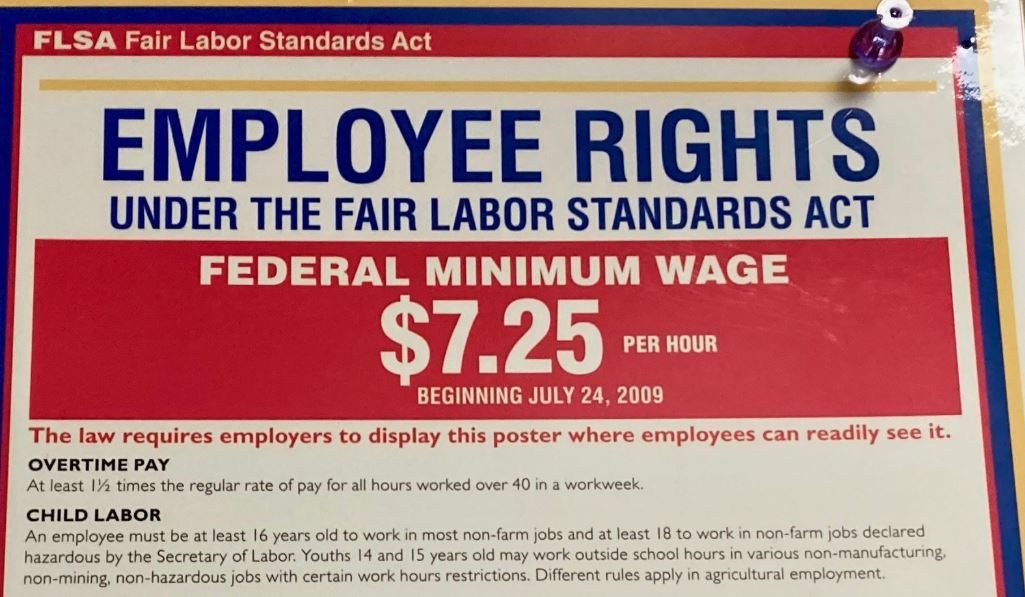
Currently, the minimum wage in America is $7.25 per hour. A new plan that the United States Congress is considering would bump that rate to $25 for that same one hour of work.
The increase in minimum wage would not be an overnight change. The process under a plan called The Living Wage for All Act would raise the federal minimum wage incrementally. The first bump would raise the minimum hourly compensation from $7.25 to $12.
The jump to a little more than double that $12 figure would have to be completed by major corporations in six years. For smaller businesses, there would be a 13-year grace period to adjust.
Just to give you an idea of the "real money" involved, a person earning the current minimum wage based on a 40-hour work week for 52 weeks per year would earn $15,080 before taxes. That compensation would put a wage earner right at Louisiana's "Poverty Line".
READ MORE: What is The Living Wage for Your Louisiana Parish?
A person earning $12 an hour would earn $24,960 before taxes based on the same scenario we've described above. This certainly improves the wage earners' standing above the poverty line. It would also mean an increase in expenditures for employers, so that needs to be considered.
If a company has to pay more for the goods and services it sells, then there is a good chance the cost of that product will rise. The combination could almost defeat any real benefit gained by the higher wage.
Currently, the highest minimum wage available in the United States is in the District of Columbia, where $17.95 per hour is the wage-earning floor. The state of Washington has the highest minimum wage for an individual state, which is $17.13 per hour.
The Living Wage for All Act is sponsored in the U.S. Senate by Chris Murphy. Senator Murphy says there is a companion piece of legislation already being debated and discussed in the House of Representatives.