Thousands of Black people publicly rejected the idea that anyone had the authority to call the Target boycott off on their behalf.
Last week’s debate over the Target boycott quickly turned into something bigger than a dispute about where people shop.
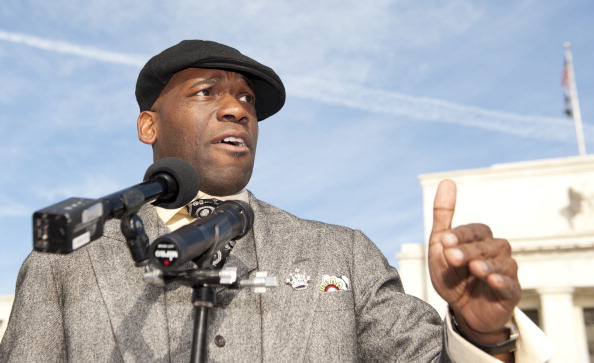
When Rev. Jamal Bryant announced that the fast and boycott were over, thousands of Black consumers responded online that no single pastor had the authority to make that call. The backlash revealed a deeper tension inside Black political life. It revealed the tension between older traditions of church-based movement leadership and a new era of decentralized activism shaped by social media, grassroots networks, and growing skepticism toward celebrity pastors who claim to speak for the community.
For much of the 20th century, boycotts didn’t simply begin or end because one leader said so. They emerged from organized campaigns with clear demands, and they ended only after communities collectively decided that those demands had been met. When prominent figures like Martin Luther King Jr., Ralph Abernathy, or Fred Shuttlesworth spoke during moments of protest, they were not out there freelancing. They were speaking on behalf of organized coalitions that had spent months or years building relationships, infrastructure, and shared strategy. In that era, leadership functioned as representation, not declaration.
What happened last week looked very different. Instead, a single, highly visible pastor, Jamal Bryant, stepped forward and announced that the fast and boycott against Target had ended. But many people participating in the protest did not feel they had collectively agreed to that decision. What sounded like the closing of a campaign to Bryant sounded to many others like a unilateral declaration.
And so the strangeness was the visible mismatch between proclaimed leadership and actual public consent.
But the internet made that mismatch instantly visible. Within minutes, thousands of people publicly rejected the idea that anyone had the authority to call the boycott off on their behalf. In earlier eras, that kind of disagreement might have happened quietly inside churches, meetings, or organizing spaces. Today, it happens in memes and TikToks.
Across social media, thousands of Black consumers pushed back. “I’m still not going back to Target.” “Nobody told me the boycott was over.” “Rev. Jamal Bryant ain’t the boss of me.”
People joked that they had somehow missed the meeting where Rev. Bryant was apparently appointed the CEO of Black consumer decisions. Others asked a more serious question: who exactly authorized him to declare the protest over in the first place?
In earlier eras, such disagreements might have unfolded quietly within church meetings, organizing committees, or activist circles. Today, they happen instantly and publicly across social media. But looking back on the week of backlash, the deeper issue wasn’t Target. What really unfolded wasn’t just a debate about Target. It was a debate about leadership, strategy, and the difference between protest as disciplined movement work and protest as media spectacle.