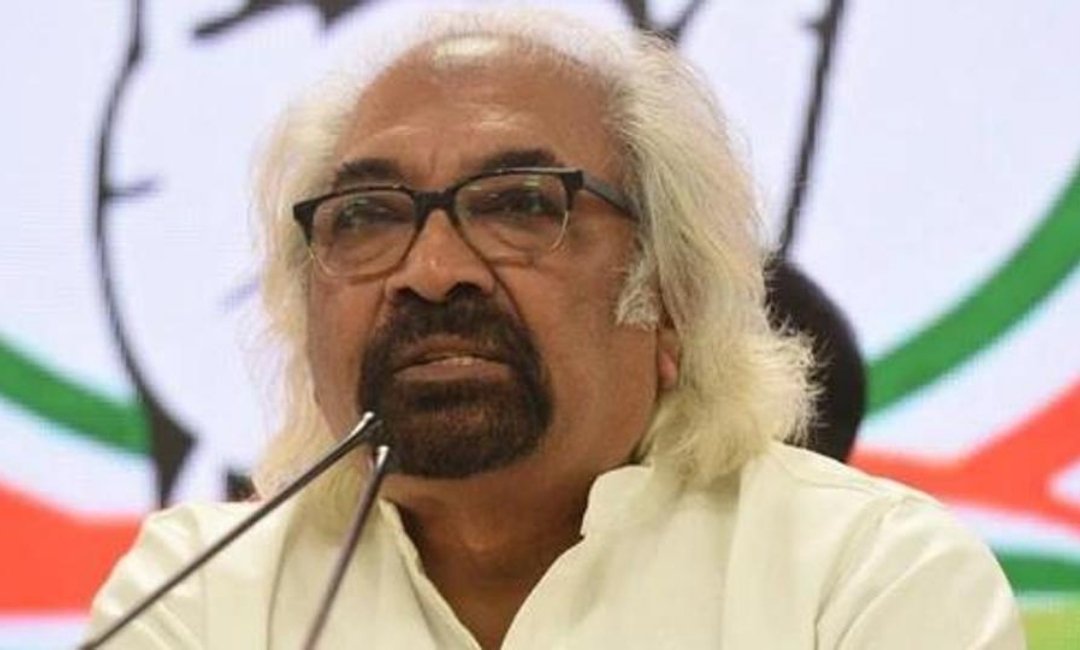
WASHINGTON, DC- Indian Overseas Congress chief Sam Pitroda has praised the young people behind the Cockroach Janta Party (CJP) movement for their courage in speaking up on issues affecting students and society, saying their protests have encouraged others to overcome their fear and raise their voices.
Pitroda said the movement emerged at a time when concerns over examination irregularities, paper leaks, poor educational infrastructure, rising tuition fees, coaching classes and unemployment had come together to galvanize young people.
“A small group of students who felt hurt after someone called them a Cockroach. They came together at the right moment because there were issues with the examination, paper leak, poor infrastructure, bad education, increasing tuition fees, coaching classes and unemployment. All that affects the next generation came together, which really galvanized young people,” he said.
He said the protesters had demonstrated courage and fearlessness, even though some had used language he did not approve of.
“Some people spoke loudly. Some spoke in bad language. Not that I approve of it, but you could see their anger. That opened up a whole lot of opportunities,” Pitroda said.
He added that the movement had given people who were previously afraid to speak up the confidence to express themselves and raised hopes of change within civil society.
“Those who were afraid to speak got courage. Civil society felt, hey, maybe something will happen now,” he said, describing the movement as one of fearless opposition and awakening.
In one of his articles, Pitroda said he had called the movement the “Indian Monsoon”, comparing it with the “Arabic Spring”.
“Who spoke up, took charge – some right, some wrong. But they galvanized society,” he said, crediting young people with bringing wider attention to issues affecting the country.
Pitroda placed the CJP movement within a broader set of concerns, including what he described as attacks on democratic institutions, mistrust in the electoral process, the underrepresentation of minorities, Other Backward Classes (OBCs), Dalits and tribals, and the government’s record on jobs, education and healthcare.