Good morning. You're reading the Up First newsletter. Subscribe here to get it delivered to your inbox, and listen to the Up First podcast for all the news you need to start your day.
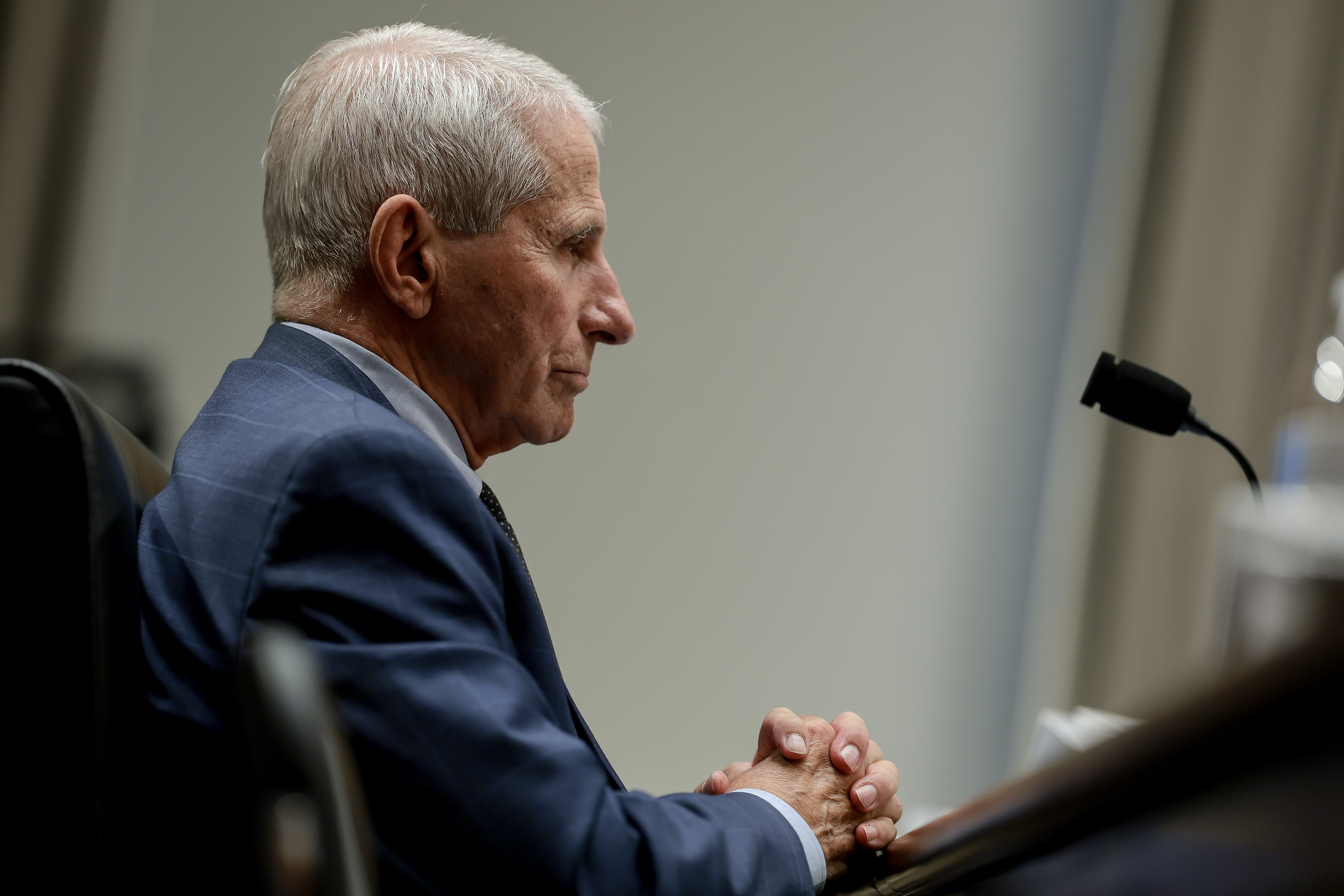
Sen. Rand Paul, R-Ky., is threatening to hold Dr. Anthony Fauci in contempt of Congress after Fauci invoked his Fifth Amendment rights and did not answer any questions about the coronavirus pandemic during a Senate committee hearing yesterday. Fauci played a key role as the nation's top infectious disease expert throughout the COVID-19 pandemic. The two have long clashed over the origins of COVID-19. Just days before the hearing, Paul released over 1,000 pages of Fauci's private diary entries from the pandemic period, accusing him of hiding the truth about COVID-19's origins.
The Trump administration has announced a new rule change to the asylum process, which thousands depend on to escape violence and persecution. Asylum officers can now send some cases straight to immigration court without an interview with a U.S. Citizenship and Immigration Services (USCIS) officer. These interviews normally allow asylum seekers to present their case, after which they can either advance or get referred to immigration court. The rule change comes as the administration has narrowed the opportunities to seek asylum and restricted who can be approved for it. Asylum approval rates are the lowest they've been in at least 20 years. The change also comes as hundreds of thousands of people who are poised to lose Temporary Protected Status (TPS) actively seek new ways to remain in the U.S., including asylum. An NPR analysis breaks down how the Trump administration has undermined the U.S. asylum program.
The Trump administration is moving to end subsidies that have kept Medicare drug coverage affordable, potentially leading to higher premiums for millions of beneficiaries next year. The Inflation Reduction Act of 2022 capped Medicare patients' out-of-pocket drug costs at $2,000 starting in 2025. The Biden administration introduced this cap to lower pharmacy costs for seniors and make expensive prescriptions more accessible. This placed more financial responsibility on insurers, who didn't know how much more they'd be spending or how high to set premiums. The Medicare subsidies, to last through 2027, helped stabilize premiums. They are now set to end a year early.
Summer break is an exciting time for many kids, but this year has been tough. Extreme weather has cast a shadow over their fun. Sweltering heat waves, heavy rain and thick wildfire smoke have often made outdoor activities dangerous. Research shows that as the climate warms, primarily due to fossil fuel use, we experience more intense and frequent heat waves, droughts, hurricanes and floods. Here's how camps and children have been affected by these weather conditions:
If you have credit card debt, it can often seem impossible to save money while repaying what you owe. But financial experts say it can be possible with some careful planning and budgeting. Here's how:
For additional guidance on saving strategies that actually work, listen to this episode of NPR's Life Kit. Subscribe to the Life Kit newsletter for expert advice on love, money, relationships and more.