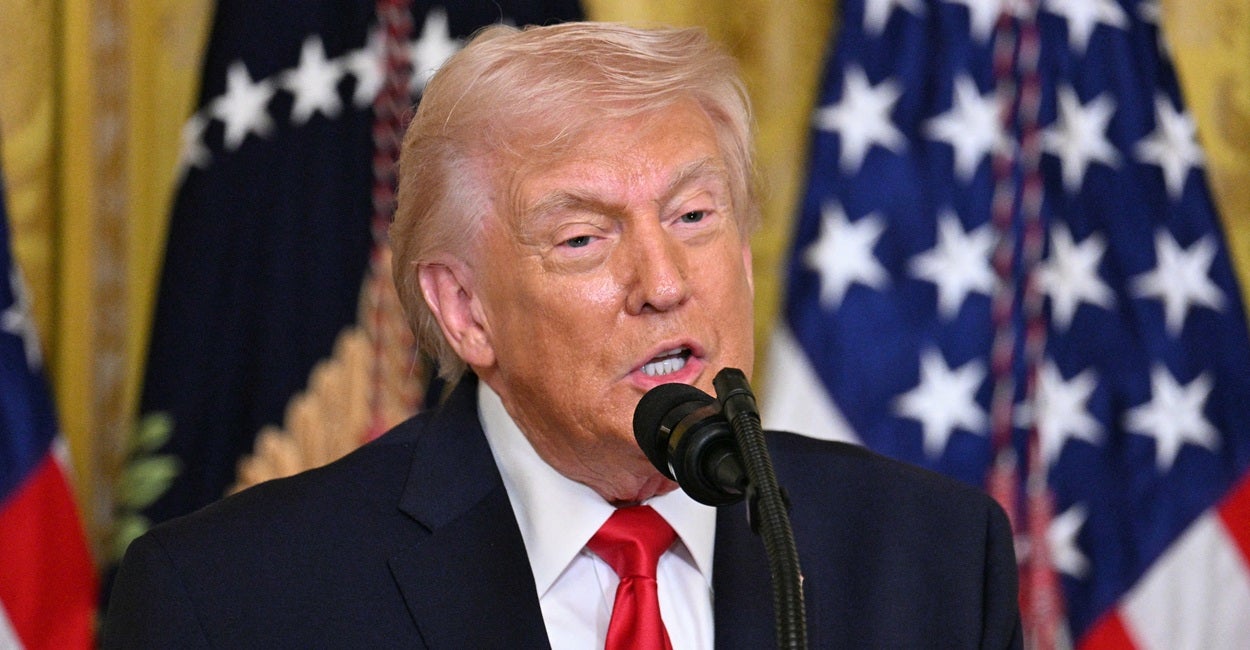
President Donald Trump in Washington, D.C., on March 12, 2026. (Jim WATSON / AFP via Getty Images)
Thomas Stratmann is a senior research fellow at the Mercatus Center and professor of economics and law at George Mason University.
Voters reward politicians who make their lives better, even in small ways.
Keeping your shoes on in the TSA line, a few hundred extra dollars in your federal tax refund, unnatural dyes removed from your kids’ cereal—Americans will remember these little improvements when they head to the polls in November.
With the war in Iran dominating news coverage, President Donald Trump needs his entire administration laser focused on delivering as many of these micro wins as possible.
Unfortunately, in its first major antitrust action after the departure of Gail Slater—the tough-on-monopoly head of the Antitrust Division—Justice Department lawyers appear to have retreated to the same weak settlement approach that frustrated conservatives for years.
The DOJ’s bipartisan lawsuit against Live Nation (also Ticketmaster’s owner), which 39 states and the District of Columbia signed onto, was a golden opportunity. Everybody hates inflated ticket prices and the ridiculous junk fees that accompany them, but we’re stuck paying them because Live Nation is pretty much the only game in town.
The company controls 64% of the country’s highest-grossing amphitheaters and 78% of the most lucrative arenas. Its biggest competitors operate 5% and 9%, respectively.
It also provides the lion’s share of promotion and ticketing services for shows at these top venues, domineering an eye-popping 80% of the primary ticketing marketplace.
Big isn’t automatically bad, but Live Nation abuses this vertically integrated monopoly to harm artists, competitors, and customers.