Happy Monday! It's November 10, 2025, and this is The Morning Shift — your daily roundup of the top automotive headlines from around the world, in one place. This is where you'll find the most important stories that are shaping the way Americans drive and get around.
In this morning's edition, we're looking at Tesla's sales figures in China, as well as the end of the short-lived Nexperia chip shortage. We'll also look at Rivian CEO RJ Scaringe's new pay package, and the latest big-name departure from Tesla.
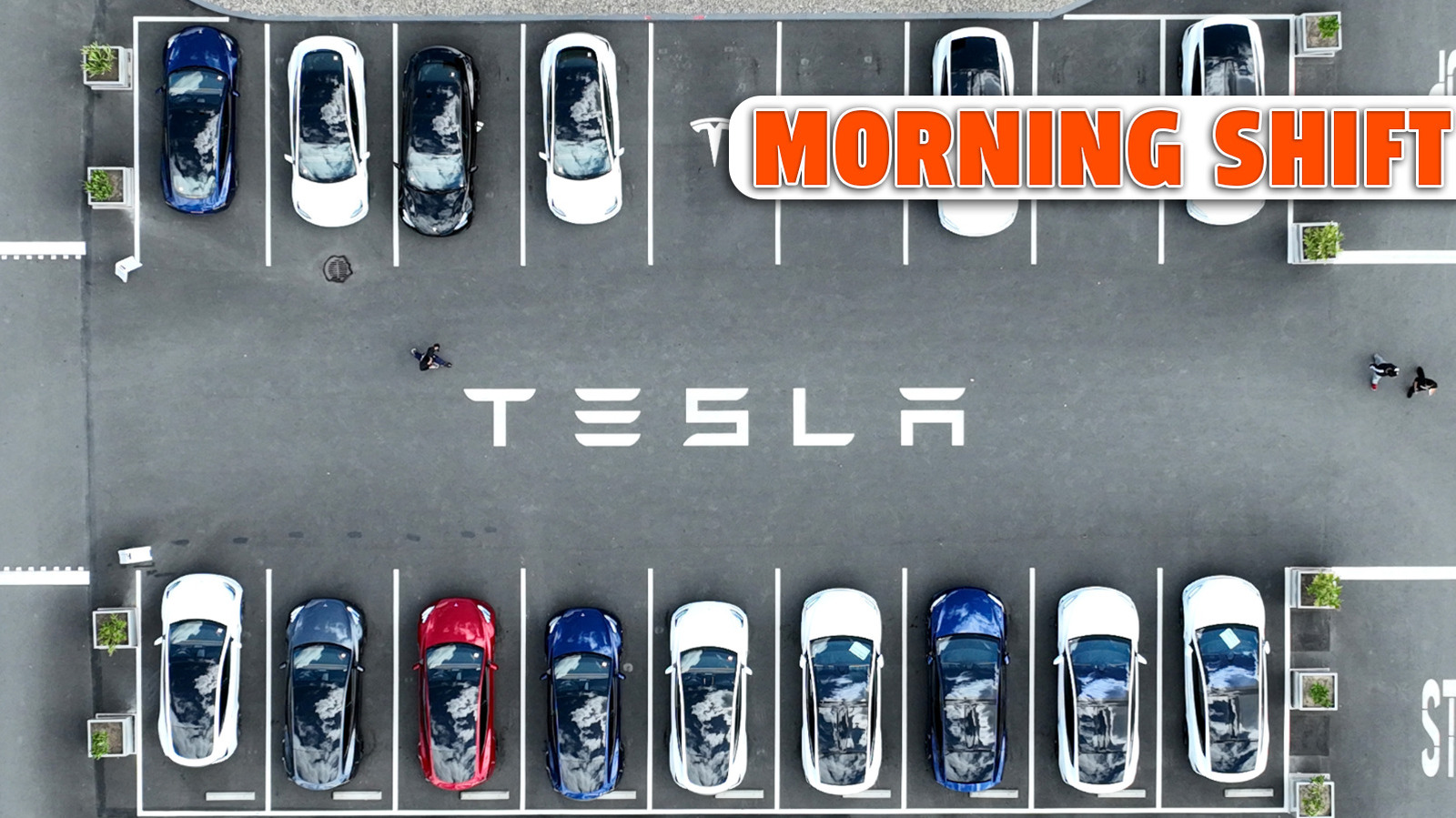
China's electric car market is pretty cutthroat these days, and Tesla has been facing an uphill battle against its aging vehicles and politically divisive CEO. This all came together in October, when Tesla's sales in China dropped to their lowest numbers in years. From Reuters:
Tesla's sales in China dropped to 26,006 vehicles in October, their lowest in three years, as the U.S. electric vehicle maker struggles with tepid demand in the hyper-competitive market.
Sales fell 35.8% from a year earlier, down from September's figure of 71,525 when Tesla began deliveries of the Model Y L, a longer-wheelbase and six-seat version of its best-selling Model Y SUV until now only available in China.
Those big Tesla issues — the aging lineup, the CEO whose politics alienate the core audience for electric vehicles — shouldn't be difficult for such a massive company with such a staggering market cap to solve. Unfortunately for Tesla, booting Elon would also tank that market cap back down to something that actually befits a niche automaker with declining sales. Not a great position to be in, if you're the board.
Another chip shortage has held up auto production globally, forcing automakers to idle supply lines or scramble for substitutes, thanks to a dispute between the Netherlands and China. Now, as quickly as it started, it seems that shortage could be ending. China is allowing chips from Nexperia to flow once again, and carmakers are thankful. From Automotive News:
China has granted exemptions to export controls on Nexperia chips for civilian applications, the commerce ministry said Nov. 9 in a move that will help to relieve supply shortages for carmakers and automotive suppliers.
The announcement is the strongest signal yet from Beijing that it will ease pressure on the global auto industry caused by export curbs imposed after the Dutch government took control of Nexperia, a large manufacturer of basic chips used in automotive electrical systems.
China's commerce ministry did not specify what it considered to be civilian use, but the announcement follows statements from German and Japanese companies saying that deliveries of Nexperia's Chinese-made chips had resumed.