WASHINGTON — Airlines have begun canceling hundreds of flights to comply with an order from the Federal Aviation Administration, with the goal of gradually reducing air traffic at dozens of the nation's busiest airports by 10%.
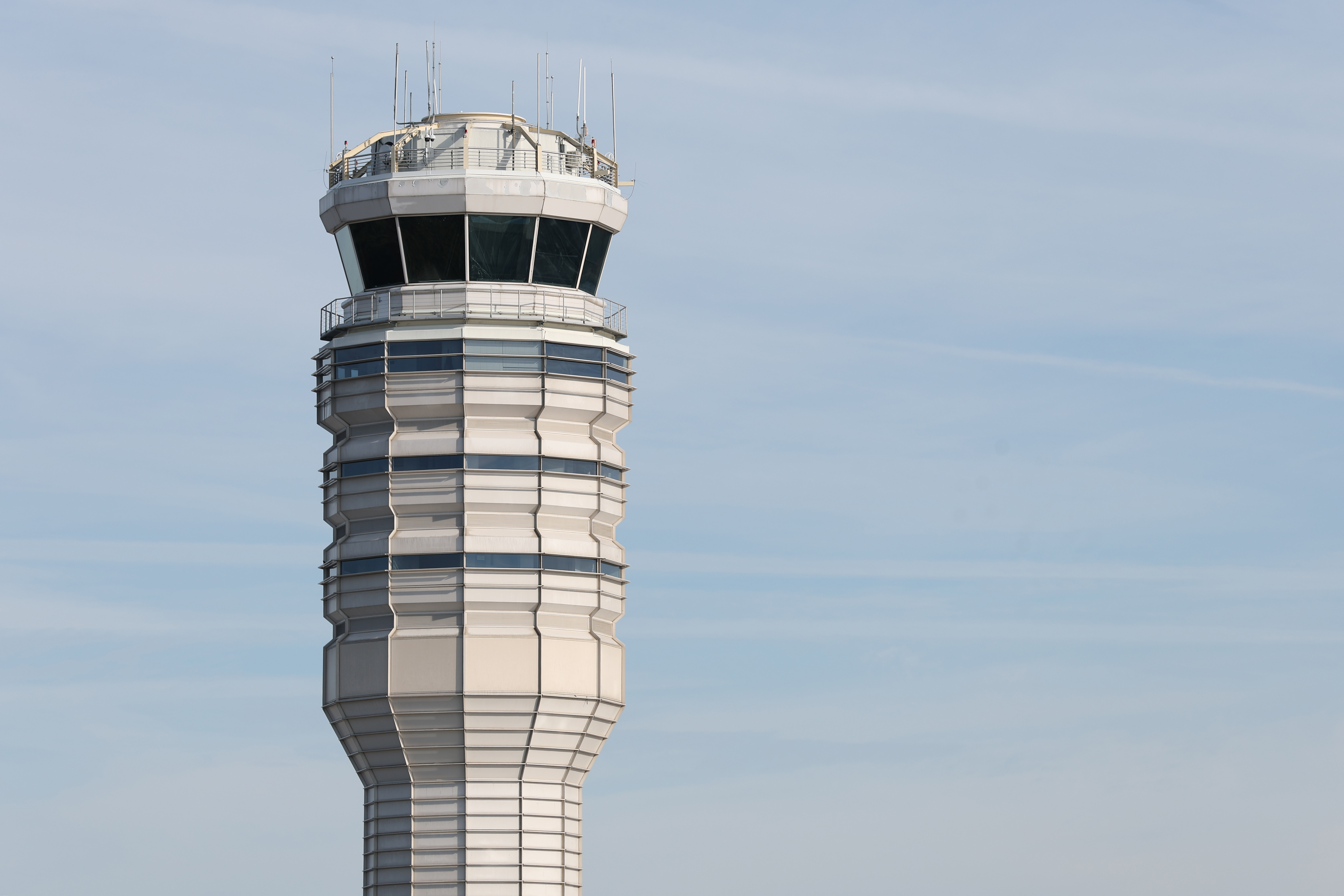
The agency says the move is necessary to keep the airspace safe as it deals with persistent staffing shortages of air traffic controllers, who are required to work without pay during the government shutdown.
"We'll see probably more people on less flights, which means less pressure on controllers," Transportation Secretary Sean Duffy said to reporters at Ronald Reagan Washington National Airport on Friday.
But there are still many unanswered questions about this planned reduction in air traffic, and what it will mean for airlines and travelers.
In an order released late Thursday, the FAA listed the 40 major airports that it has targeted for reductions in air traffic. The list includes major airline hubs in Atlanta, Chicago, Denver, Dallas, Los Angeles and in Newark, N.J.
Flights between those major airports and many other mid-sized and regional airports will also be affected as airlines pare back their schedules. For example, United Airlines has published a full list of flights it is cancelling through the weekend, with many smaller markets like Moline, Ill.; Shreveport, La.; Grand Junction, Colo.; and Fresno, Calif., losing flights.
The FAA's plan requires airlines to phase in these cuts gradually, starting with 4% of flights through the weekend and gradually building up to 10% by next Friday. Airlines have some discretion to decide how they're going to hit those targets, so it's likely they will seek to protect their most popular and profitable routes while cutting back on regional flights.
The order to reduce traffic applies only to domestic flights, not to international routes. The FAA's plan also imposes temporary limits on commercial space launches, which can place extra demands on air traffic controllers.
The major airlines are trying to downplay the impact of the flight reductions.
Delta Air Lines says it plans to operate "the vast majority of our schedule," and to continue flying to all of the markets the airline serves, "though frequency may be affected."