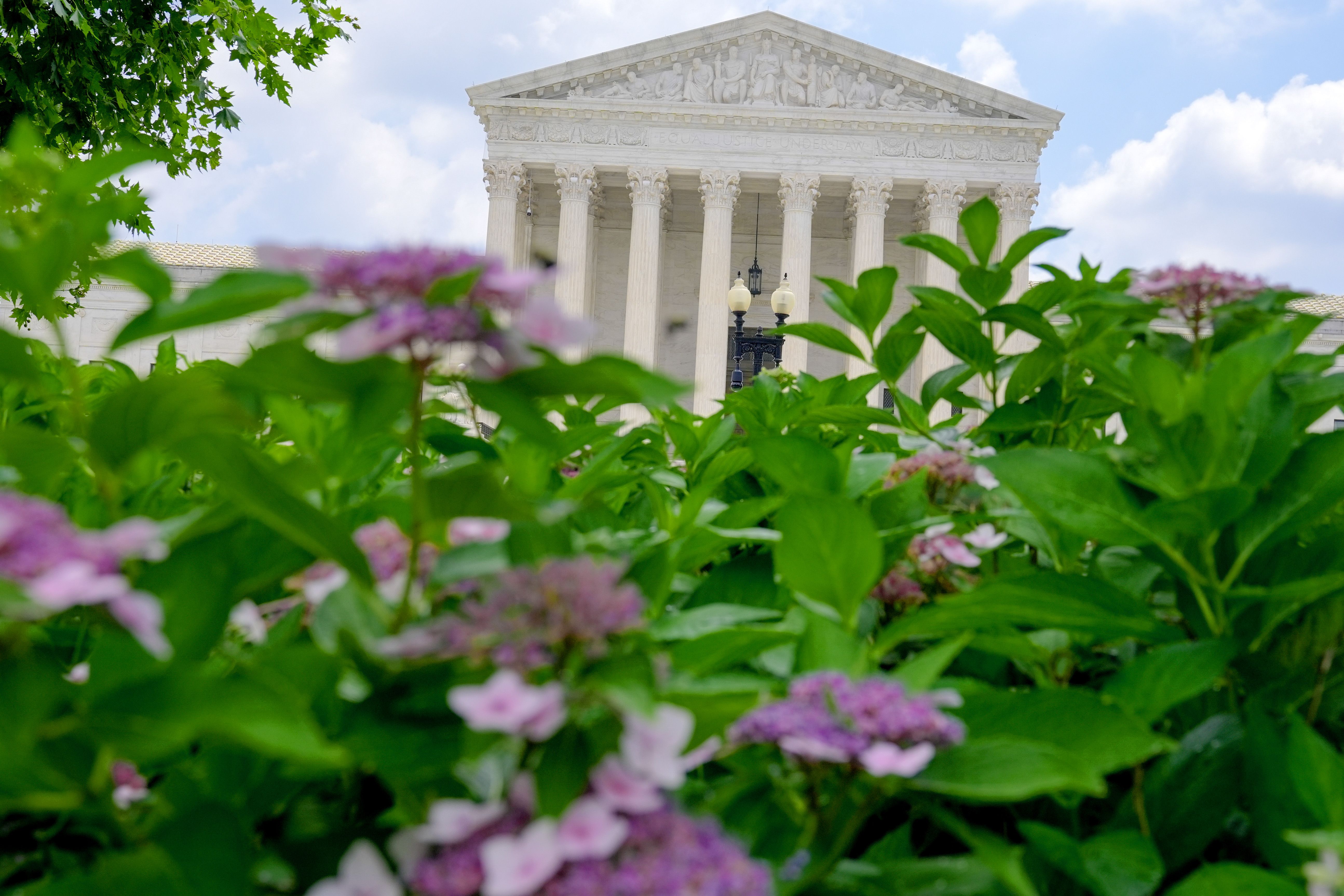
The Supreme Court on Tuesday upheld a broad conception of birthright citizenship, rejecting President Donald Trump’s executive order declaring that children born to parents who are in the United States illegally or temporarily are not American citizens.
The decision, in line with the longstanding judicial interpretation of the 14th Amendment, comes on the final day of a Supreme Court term that has centered on Trump’s expansive claims of presidential power — and largely ruled in his favor.
In its other Tuesday rulings, the court upheld laws in roughly half the states that prohibit transgender girls and women from playing on their public school and college sport teams and struck down limits on party spending in federal elections.
He insists the majority opinion perpetuates a misunderstanding and misapplication of the 14th amendment.
The citizenship clause and related Reconstruction statutes granted citizenship “to persons born and domiciled in the United States regardless of their race,” he wrote. But “neither guaranteed citizenship to persons who were not domiciled in the United States.”
He continued: “Blacks were entitled to citizenship because they were Americans. They had no other homeland, owed no allegiance to any foreign power, and were subject to no other authority.”
That highlights the argument over what it means to be “subject to the jurisdiction” of the U.S.
The majority holds that, with exceptions like foreign diplomats, being on U.S. soil makes a person subject to U.S. laws. Thomas and dissenters reason that no one who is separately subject to another foreign government should be considered “subject to the jurisdiction” of the U.S., at least when conferring citizenship.
Justice Clarence Thomas’ dissent in the birthright case argued the 14th amendment’s citizenship clause applied only to formerly enslaved people and not more broadly.
That prompted Justice Ketanji Brown Jackson to pen a concurrence to Roberts’ majority opinion.