When someone earning $100,000 a year isn’t able to buy a home in the U.S. today, where does that leave the rest of us? In 2026, having a six-figure salary doesn’t necessarily mean homeownership is within reach — it all depends on the region’s market.
Home prices have climbed dramatically in many cities across the country throughout the decades. While incomes have risen in some sectors, they haven’t kept pace everywhere. According to the median prices by the National Association of Realtors (NAR), affordability remains one of the biggest barriers to entry in today’s market.
Research on mortgage rates, limited inventory, and fierce competition shows that in several high-demand cities, a household earning up to $150,000 annually may still struggle to comfortably afford a median-priced house. In this analysis, Property Reach highlights the markets across the country where many people face significant affordability pressure in 2026.
Three key factors specifically make it harder for six-figure households to buy their own home:
In ultracompetitive markets, high-salary folks may qualify for a mortgage. However, they have a lot of potential, losing out to all-cash buyers or households earning significantly more.
The following markets were evaluated on single-family home prices, estimated income needed to afford a house with their personal mortgage rate, and overall market competition. Below are several cities where earning more than $100,000 annually may not be enough to comfortably purchase a home in 2026.
Let’s take a deeper look at some of the markets where even the most resourceful buyers may struggle to close a deal.
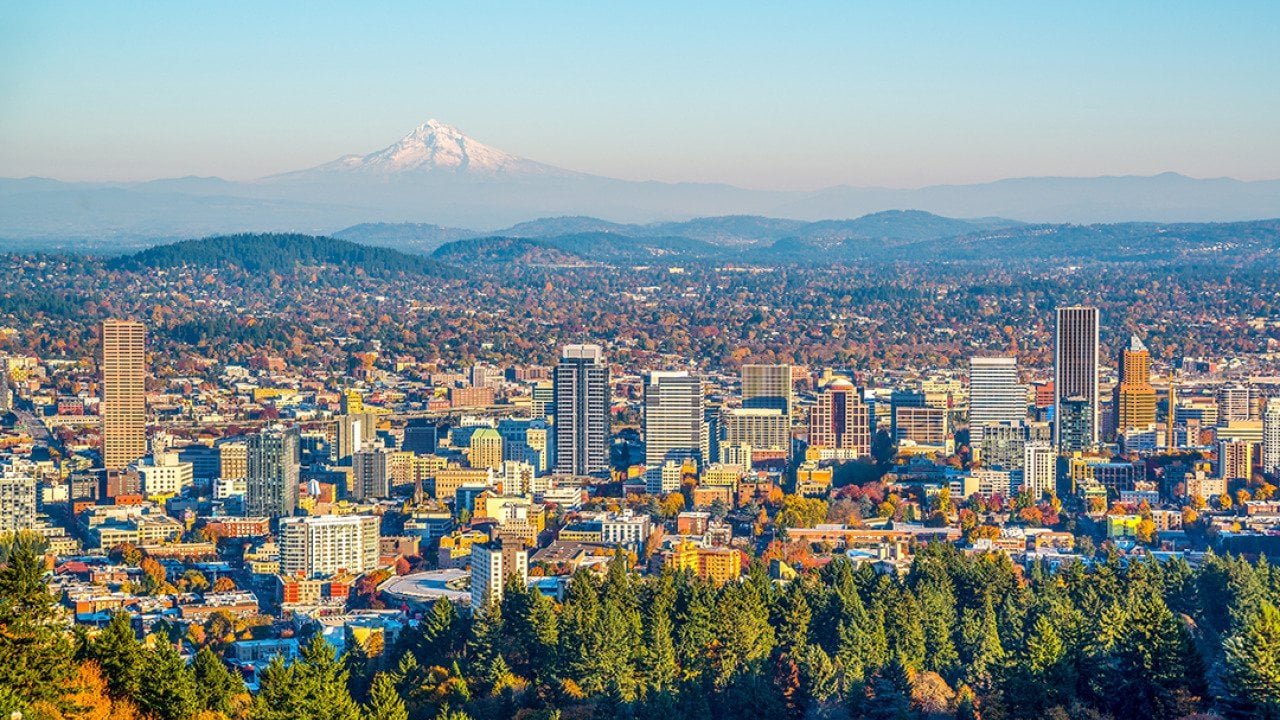
Portland’s housing market remains a challenge for high-income buyers, with median home prices well above the national average and strong demand for urbanity driving competition.
Although recent data suggest pricing trends and sales activity have calmed slightly from the pandemic peak, limited inventory makes it harder to find value in homes without stretching the budget.
Reno has emerged as one of the pricier housing markets, propelled by strong in-migration and limited supply. While traditionally more affordable than California, Reno’s appeal (including outdoor recreation, no state income tax, and expanding tech sectors) has boosted demand and pushed median prices rapidly upward.