This newscast is updated weekdays at 6am, 9am, noon, 3pm, and 6pm.
A few weeks ago, Taelyr Vecchione vented her growing frustration with traffic in San Diego.
"Do you remember when traffic started at, like, 5?" she said in this video posted on TikTok. Vecchione filmed herself sitting in her car, lamenting how things in her Southern California hometown have changed.
"Now," she says, "there is always traffic. Always!"
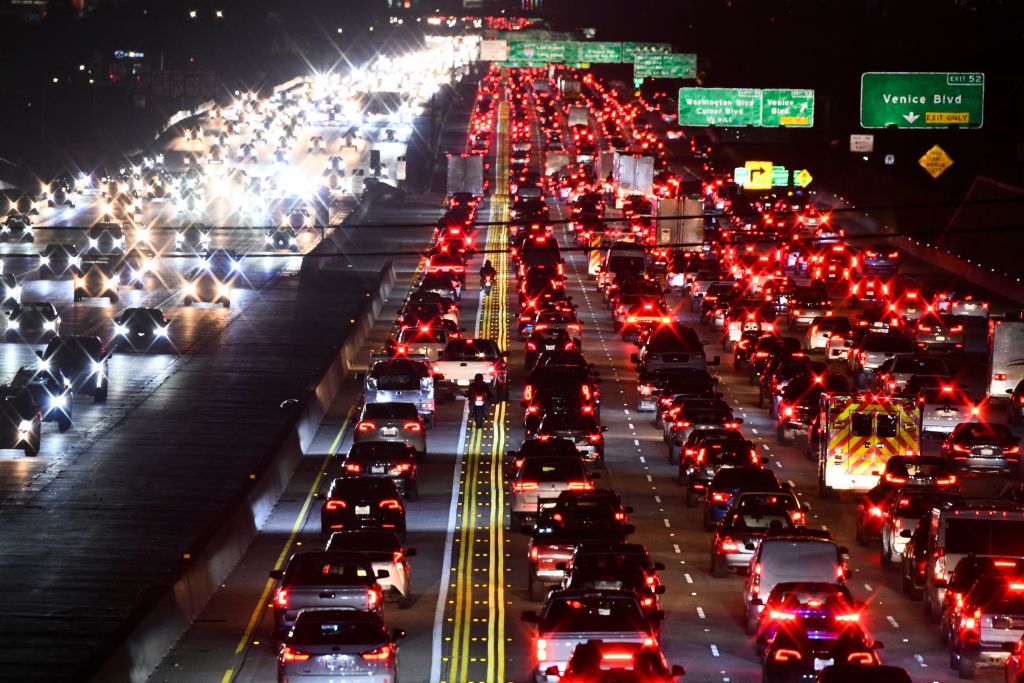
In fact, there is data to back her up on this. San Diego has seen a significant jump in traffic delays, researchers say, as congestion across the U.S. climbed to record levels in 2024.
If it seems like traffic is getting worse where you live, that's because it probably is. After dropping during the COVID-19 pandemic, researchers say, congestion has equaled — and, in many places, surpassed — pre-pandemic levels. And those delays are spreading to more times of day and more days of the week.
"We are back. But the delay kind of has a different feel to it than it did before," said David Schrank, a senior research scientist at the Texas A&M Transportation Institute, which has tracked congestion since the 1980s in its annual Urban Mobility Report.
For decades, Schrank says, those patterns barely budged. Then came 2020, when congestion plunged during the pandemic lockdown. Now it's back at record levels, he says, with the average American spending 63 hours per year stuck in traffic.
There are some other notable differences from past years too. The rush-hour peaks are still the worst times to drive, Schrank says, but there's more congestion at other times of day as well.
"It's spread out over more of the day, and thus it's not just a commuter issue," Schrank said in an NPR interview. "Everyone is experiencing more of that delay."