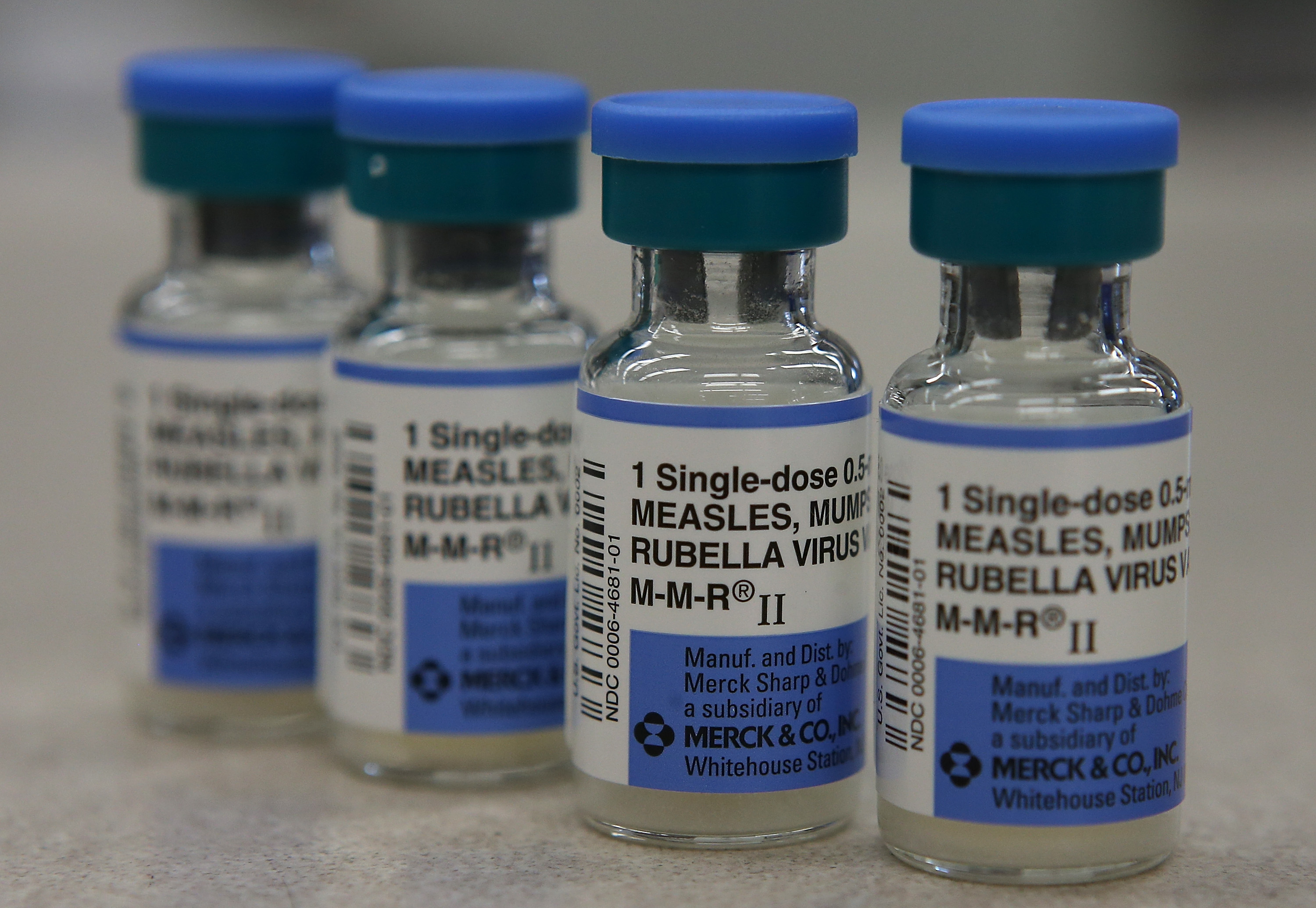
The United States recorded 2,260 confirmed measles cases as of July 16, 2026, surpassing last year's full-year total in half the time and putting the country on pace for its worst measles season since 1991. The Centers for Disease Control and Prevention, which released the updated count as part of its national measles tracker, also confirmed 34 separate outbreaks in 2026 and warned public health departments that summer travel is now one of the primary mechanisms driving new exposure events.
The last time measles cases were this high in a single year was more than three decades ago, when the U.S. recorded 9,643 cases. That year, a sustained campaign of catch-up vaccination eventually brought the crisis under control. The current situation is different in a critical way: vaccination rates have been declining in recent years, and the communities most at risk are concentrated in identifiable geographic clusters with persistently low MMR coverage.
Measles is not a mild nuisance illness. The virus is among the most contagious pathogens known to science. One infected person can transmit the virus to nine out of ten susceptible people in close contact, and the virus can survive in the air for up to two hours after an infected person has left a room. That airborne persistence makes airports, arenas, schools, and houses of worship high-risk settings during active transmission periods.
Summer travel connects outbreak regions to communities that have so far avoided significant case counts. A family returning from an area with active measles transmission can unknowingly expose fellow passengers on a flight, visitors at an airport, or members of their home congregation before anyone knows an exposure occurred.
According to the CDC's measles tracking page, updated July 16, 2026, confirmed cases have been reported in 44 jurisdictions including Alabama, Alaska, Arizona, California, Colorado, Connecticut, the District of Columbia, Florida, Georgia, Idaho, Illinois, Iowa, Kansas, Kentucky, Louisiana, Maine, Maryland, Massachusetts, Michigan, Minnesota, Missouri, Montana, Nebraska, New Jersey, New Mexico, New York City, New York State, North Carolina, North Dakota, Ohio, Oklahoma, Oregon, Pennsylvania, Rhode Island, South Carolina, South Dakota, Tennessee, Texas, Utah, Vermont, Virginia, Washington, Wisconsin, and Wyoming.
Of the 2,260 confirmed cases, 93 percent — or 2,108 individuals — are outbreak-associated. This figure includes 741 cases from outbreaks that started in 2026 and 1,367 cases from outbreaks that began in 2025 and are still ongoing.
Fifteen of the 2,260 cases were reported among international visitors to the United States.
The CDC has warned state and local health departments in its most recent guidance that "with continued measles transmission in areas across North America and expected increases in international and domestic travel and large events during spring and summer, additional measles cases are anticipated in the coming months."
South Carolina was the site of the largest single outbreak earlier this year, with more than 600 confirmed cases. That outbreak was declared over in April after 42 consecutive days with no new linked cases. Utah is home to an ongoing outbreak that started in 2025 and has surpassed 400 cases in 2026 alone, according to U.S. News and World Report's outbreak tracker.
Major metro areas with confirmed 2026 cases include New York City, Chicago (via Illinois cases), Houston (via Texas), Los Angeles, Atlanta, Miami, Detroit, Seattle, Denver, Philadelphia, and Columbus. The risk is not evenly distributed within those metros. Communities with below-average childhood vaccination rates face substantially higher risk than those where MMR coverage meets or exceeds the 95 percent threshold needed for population-level protection.