Published
by
The Maritime Executive
Published
by
The Maritime Executive
Published
by
The Maritime Executive
Published
by
The Maritime Executive
Published
Mar 12, 2026 6:24 PM by
The Maritime Executive
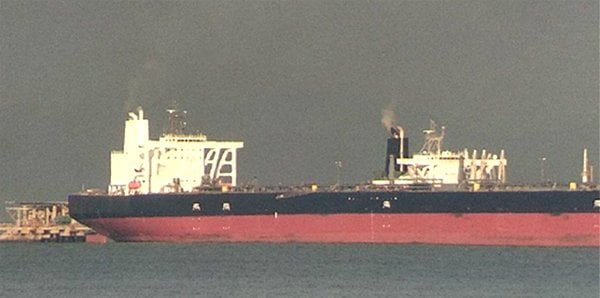
The United States, in a court filing made on March 12, is asking for an order to permit an immediate interlocutory sale of the seized tanker Skipper and its oil cargo, which is now being stored onshore. The filing in the U.S. District Court for the District of Columbia asserts that the expenses of holding the tanker and its oil cargo will quickly negate the value of the cargo.
The tanker, which was built in 2005 and has been operating in the shadow fleet since 2022, is reported to be in very poor condition, with the U.S. saying it has repaired serious safety deficiencies to maintain the vessel. The 310,000 dwt vessel, which is 333 meters (1,093 feet) in length, is too large to enter the Houston Ship Channel. It has been held in the anchorage off Texas since December 21, 2025.
The United States seized the tanker in the Caribbean on December 10 as the first of the Trump administration’s efforts to stop the Venezuelan oil trade. The forfeiture case was filed on February 26, and the following day, the court granted the arrest warrant for the vessel and its cargo.
Without specifying when, the U.S. reports it has transferred the oil cargo of approximately 1.8 million barrels of Venezuelan oil to an onshore storage facility pending resolution of the case before the court. In the original filing, the U.S. documented the vessel’s involvement with the Iranian and Venezuelan oil trades and said the current cargo was loaded in mid-November in Venezuela, with the majority, 1.1 million barrels, destined for Cuba.
Reuters reported yesterday that LSEG and Kpler showed that a lightering tanker was going to the Skipper. The filing appears to show that the offloading was done earlier.