The View From India
Looking at World Affairs from the Indian perspective.
First Day First Show
News and reviews from the world of cinema and streaming.
Today's Cache
Your download of the top 5 technology stories of the day.
Science For All
The weekly newsletter from science writers takes the jargon out of science and puts the fun in!
Data Point
Decoding the headlines with facts, figures, and numbers
Health Matters
Ramya Kannan writes to you on getting to good health, and staying there
The Hindu On Books
Books of the week, reviews, excerpts, new titles and features.
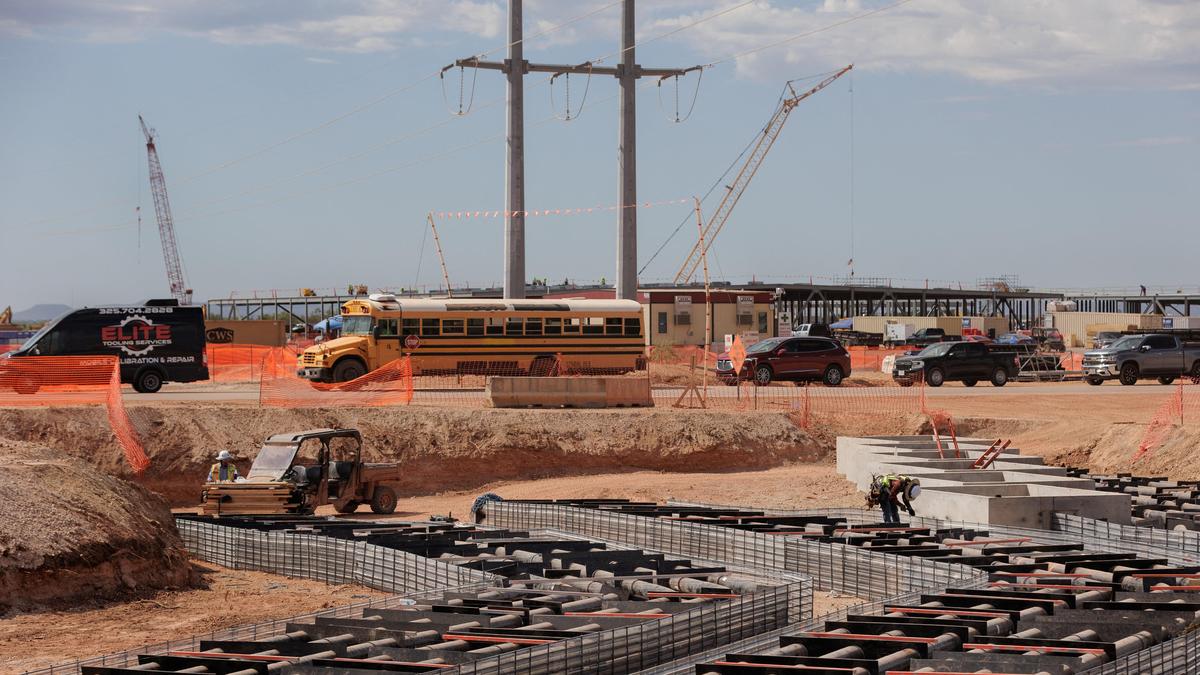
Conduits for fibre to connect superclusters of data centres are under construction during a tour of the OpenAI data centre in Abilene, Texas, U.S., on September 23.
| Photo Credit: Reuters
For the past two decades, India’s electricity demand growth rates remained relatively flat at around 5%. While energy and electricity demands have been traditionally managed through forward planning, the rollout of data centres, Electric Vehicles (EVs), green hydrogen and 5G/Internet-of-Things (IoT) programmes are key drivers which will steadily increase electricity consumption.
The demand for data centres in India is being driven by the need for data storage given the government’s Digital India and data localisation policies, increased data consumption, and 5G roll-out which is expected to enable adoption of data intensive technologies such as IoTs and Artificial Intelligence (AI). Although India boasts of 2x internet users than Europe, it lags on the data centre capacity front (1.4 GW versus 10GW). However, as data privacy rules come into effect and AI adoption grows, India’s data centre capacity might grow by two to three times in the near term (2027) and over five-fold in the long term (2030), based on a low buildout and an aggressive buildout scenario, respectively (including large AI infrastructure).