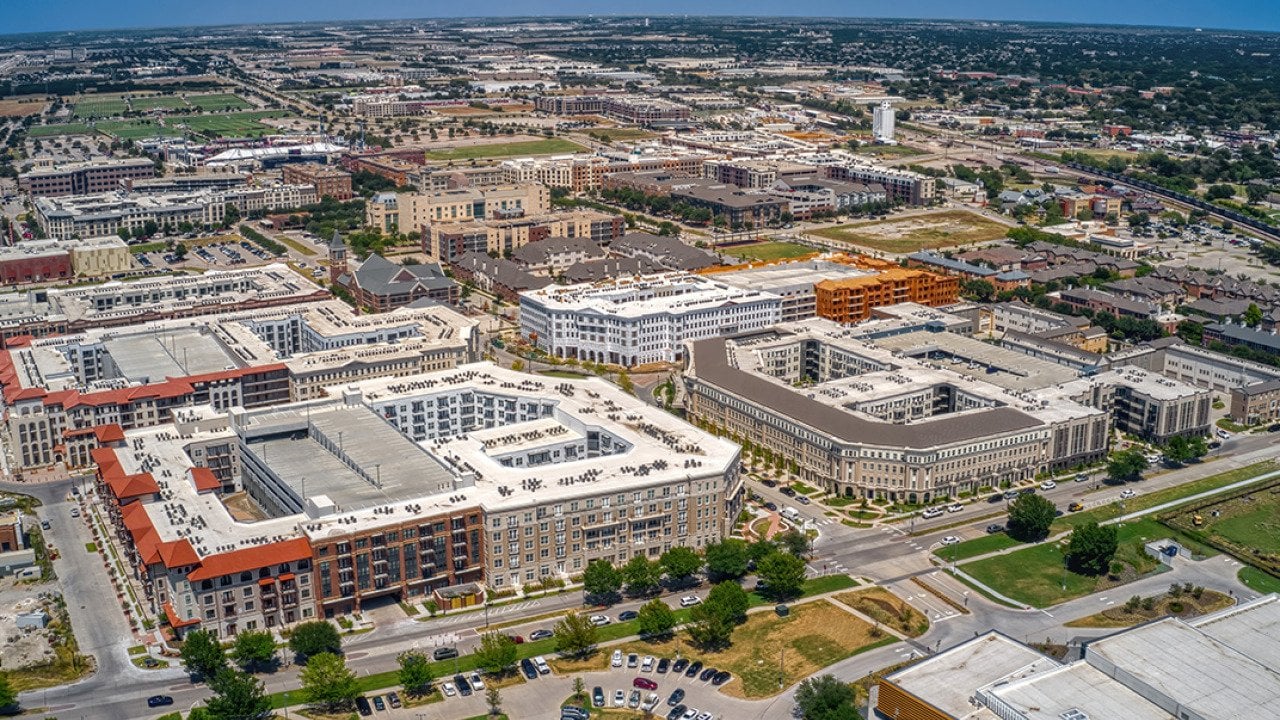
Remote work can open up a lot of opportunities for employees, families, and employers alike. However, shifts into remote work may also cause short-term challenges to some communities — such as loss or redistribution of businesses and services used by commuters. Between 2023 and 2024, remote work actually declined in large U.S. cities, going from 15.7% of workers to 13.45%. Tradeoffs abound, tracking the evolution of work culture and where the spoils of productivity end up can provide guidance to businesses, politicians, job-seekers, and employers alike.
With this in mind, SmartAsset ranked 357 of the largest U.S. cities based on the percentage of people working from home. Mean commute time saved and other metrics are also evaluated.
Cities are ranked based on the percentage of people working remotely.
Cities are ranked based on the lowest percentage of people working remotely.
This study considered 357 of the largest U.S. cities with populations of 100,000 or more. Data comes from the U.S. Census Bureau’s 1-Year American Community Survey for 2024. Cities were ranked by the percentage of those who worked from home out of all workers aged 16 and over.
This story was produced by SmartAsset and reviewed and distributed by Stacker.
Local food truck finds permanent home Exclusive subscriber content
Young artists showcase work at annual gala Exclusive subscriber content
USD 247 approves therapy dog policy Exclusive subscriber content
Frontenac is just humming along Exclusive subscriber content